
Orychophragmus violaceus
Orychophragmus violaceus
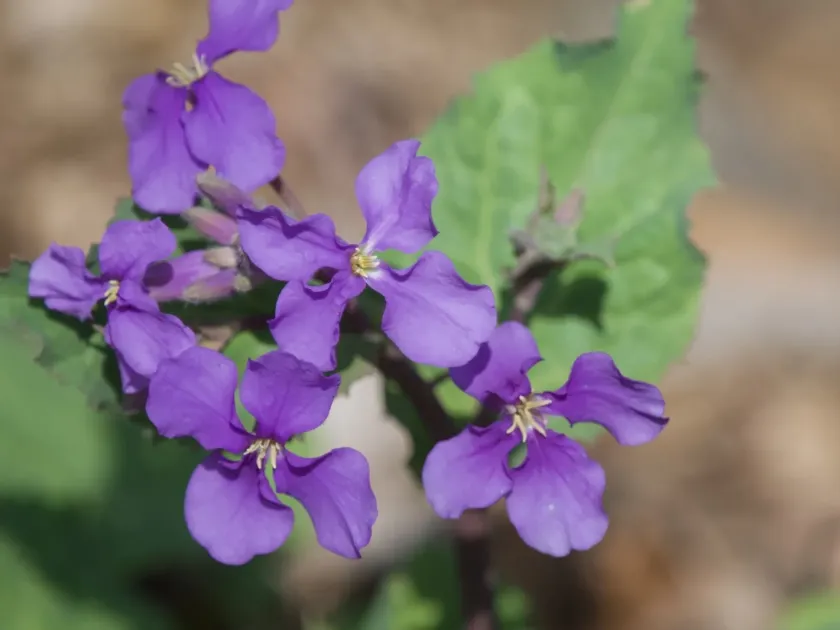
Description
Sowing dates
Orychophragmus violaceus, commonly known as violet cress, belongs to the Brassicaceae family. It is increasingly valued in sustainable agriculture as an effective cover crop that improves soil structure and suppresses weed competition.
Sowing is typically performed in late summer or autumn to allow for proper root development before the winter dormancy period. The plant's high cold tolerance makes it suitable for regions with harsh winter climates.
Seed depth should remain shallow, typically around 1 to 2 centimeters, ensuring that small seeds have adequate contact with the soil while maintaining sufficient oxygen levels for germination.
The seeding rate varies depending on the specific use; for green manure, higher densities are employed to maximize biomass production, while lower densities are preferred for ornamental or seed production purposes.
Germination is rapid, often occurring within a week of sowing, provided that soil moisture remains consistent. The plant exhibits vigorous early growth, which helps in quickly covering the ground and preventing erosion.
Growing requirements
This crop thrives in well-drained, fertile soils but displays significant adaptability to various conditions, including heavy clay or slightly sandy soils, provided they are not waterlogged.
Sunlight requirements are relatively high; therefore, the plant performs best in open field conditions. Exposure to full sun encourages not only floral development but also the accumulation of biomass.
One of the most notable features of Orychophragmus violaceus is its extreme resilience to frost. It can withstand temperatures well below zero, making it an excellent choice for winter ground coverage.
Water requirements are moderate. While the plant can tolerate short periods of drought due to its deep taproot, consistent moisture throughout the vegetative stage leads to significantly higher productivity.
Balanced fertilization is recommended to support growth; however, excessive nitrogen should be avoided to prevent stem lodging and ensure better seed yield or plant stability in dense stands.
Main diseases and pests
Crucifer flea beetles represent the primary pest risk, particularly during the seedling stage. Implementing timely monitoring and using protective agronomic practices can mitigate potential damage significantly.
Fungal diseases, including downy mildew and various rot conditions, may occur in high-humidity environments. Improving drainage and ensuring adequate plant spacing help in maintaining a healthy canopy.
Clubroot is a potential soil-borne pathogen that can affect the species if the soil pH is too low. Proper liming and strict adherence to crop rotation intervals are essential for sustainable management.
Insects such as aphids and cabbage moths can occasionally infest the crop. Integrated pest management strategies are advised to keep populations below economic damage thresholds without harming beneficial insects.
The maintenance of clean equipment and the use of certified, disease-free seeds are fundamental measures to prevent the introduction of common Brassicaceae pathogens into new growing areas.