
Orthodon lanceolatus
Orthodon lanceolatus
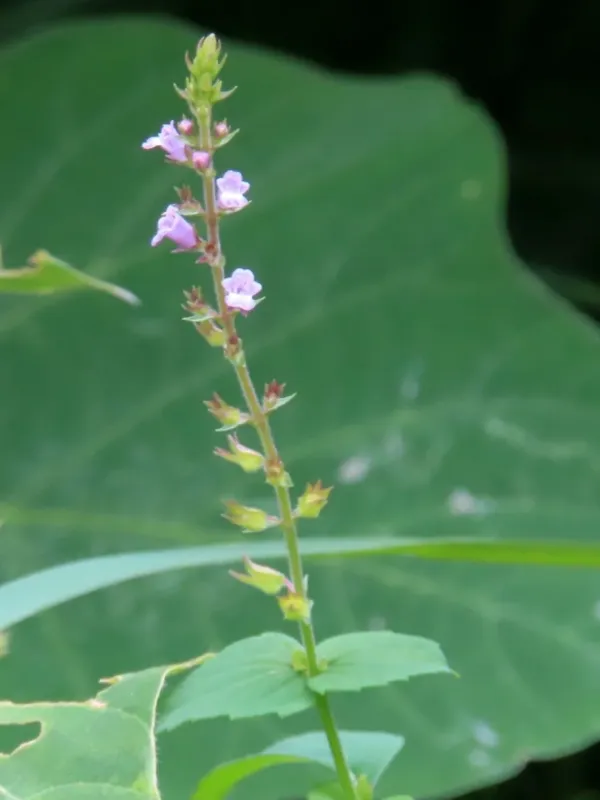
Description
Sowing dates
Orthodon lanceolatus is a thermophilic crop that requires well-warmed soil for optimal germination. In temperate regions, the seed should be sown when soil temperatures at planting depth consistently exceed 15 degrees Celsius to ensure vigorous early establishment.
For industrial production, starting seeds in a greenhouse or nursery is highly recommended to extend the growing season. Seedlings are typically transplanted once they have developed 4 to 6 true leaves, usually 40 to 50 days after initial sowing in protected conditions.
When direct seeding is employed, rows should be spaced 45 to 60 centimeters apart to accommodate the plant's spread and allow for mechanical weed control. Precise depth control, no more than 1 centimeter, is critical due to the small size of the seeds.
Thinning is an essential part of the sowing process. By maintaining a distance of 20–25 centimeters between individual plants in the row, growers ensure adequate airflow and nutrient access, which are critical for secondary shoot development.
The establishment phase requires careful moisture management. Surface irrigation or misting systems are often preferred immediately after sowing to keep the top layer of soil moist without causing crusting or washing away the small seeds.
Growing requirements
As a member of the Lamiaceae family, Orthodon lanceolatus thrives in full sun exposure. Adequate light is necessary to stimulate the synthesis of essential oils, which are the primary economic drivers for the commercial cultivation of this specific species.
The plant prefers well-drained, sandy loam soils that provide good aeration. Waterlogging is detrimental to this crop; therefore, site selection must prioritize areas with effective drainage or elevated beds to prevent the onset of root-related complications.
Soil fertility management should involve the application of compost or well-rotted manure before planting. Supplementary nitrogen application during the vegetative phase promotes lush biomass production, while potassium supplementation is often used to improve stress tolerance.
Watering frequency should be adjusted based on the growth stage. While constant moisture is required during the initial stages, the plant is relatively resilient to moderate drought once established, though high moisture is needed during peak vegetative growth.
Weed control is the most labor-intensive part of the requirements. Young plants are poor competitors, and mechanical cultivation between rows is necessary to ensure the crop has access to sufficient sunlight, water, and mineral nutrients during the early stages.
Main diseases and pests
The primary threats to Orthodon lanceolatus are fungal infections, particularly those triggered by poor ventilation and high humidity. Powdery mildew and various leaf spots are common issues that require prompt monitoring and effective management strategies.
Pest pressure from aphids and spider mites can severely impact leaf quality and oil yield. These pests damage the delicate leaves, causing stunted growth and reducing the market value of the essential oil or dried herb product.
Integrated pest management (IPM) is the best approach for this crop. Using natural predators, trap crops, and limiting the use of broad-spectrum pesticides ensures that the final product meets the safety standards required for human consumption or pharmaceutical use.
Crop rotation is vital to disrupt the lifecycle of soil-borne pathogens. Planting Orthodon lanceolatus in a field that has not grown other Lamiaceae species in the previous two years significantly reduces the risk of long-term soil infections.
- Implement strict sanitation measures to prevent disease spread.
- Monitor for early pest signs to allow for localized treatments.
- Ensure proper plant spacing to improve air circulation and reduce humidity around the canopy.