
Oroxylum indicum
Oroxylum indicum
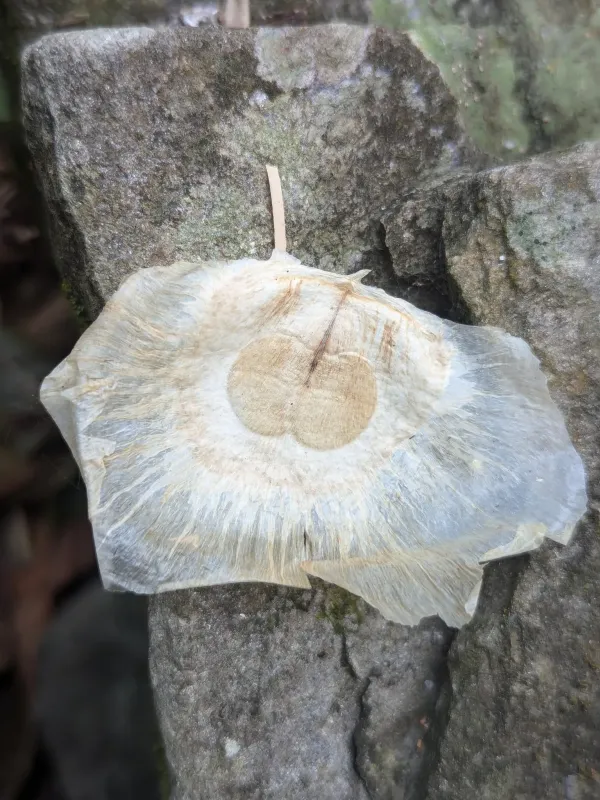
Description
Sowing dates
The propagation of Oroxylum indicum is primarily achieved through seeds. Sowing should take place in the spring when soil temperatures stabilize between 20 and 25 degrees Celsius.
Seeds benefit from pre-sowing treatment, such as soaking in warm water for 24 hours, to improve germination rates and uniformity of emergence.
A well-draining substrate, preferably a mix of sand and peat, is essential to provide adequate aeration for the delicate root systems of young seedlings.
Seedlings are typically raised in containers until they develop sufficient hardiness, usually within 6 to 12 months, before being transplanted into their permanent location.
Correct spacing is crucial; trees should be planted at least 5 to 7 meters apart to allow for proper canopy development and sufficient exposure to sunlight.
Growing requirements
Oroxylum indicum, a member of the Bignoniaceae family, is a deciduous tree native to the tropical and subtropical regions of Asia, specifically India and Southeast Asia.
The plant thrives in well-drained loamy or sandy soils and is highly intolerant of waterlogged conditions, which can lead to root rot and eventual tree death.
It is a sun-loving species, meaning that optimal growth and fruit production are achieved in open areas with full exposure to direct sunlight throughout the day.
Climatically, it requires a warm environment and is highly sensitive to frost, making it suitable mainly for tropical or controlled greenhouse environments.
While mature trees are relatively drought-tolerant, consistent irrigation during the establishment phase is vital for the development of a healthy, vigorous crown.
Yield
The agricultural value of Oroxylum indicum lies in the harvest of its various parts, including bark, seeds, and long pods, which are highly prized in traditional medicine.
Pods are harvested manually before they fully mature and dehisce, ensuring the preservation of the active biological compounds concentrated within the tissues.
The root bark is considered the most potent part of the plant, but harvesting must be done judiciously to avoid causing irreparable harm to the tree's health.
Yield efficiency is directly correlated with the age of the tree and consistent agricultural management, with production increasing as the tree matures.
The crop is highly sustainable when managed correctly, offering reliable yields of biomass that is used in the pharmaceutical industry for the extraction of flavonoids.
Main diseases and pests
The primary threats to this crop include fungal root diseases, which are exacerbated by poor soil drainage and excessive humidity during the rainy season.
Insect pests, such as aphids and various leaf-eating caterpillars, can significantly damage foliage, leading to reduced photosynthetic capacity and stunted growth.
Physical damage to the bark, occurring during maintenance or harvesting, can leave the tree vulnerable to bacterial infections that compromise the wood quality.
Preventative measures, such as maintaining cleanliness in the orchard and monitoring for early signs of infestation, are critical to ensuring long-term tree health.
Weed management is particularly important during the first few years of growth, as competing vegetation can easily outcompete young saplings for nutrients and water.
Harvesting
Harvesting of the pods is performed by hand using sharp tools to neatly remove the long structures without snapping the brittle branches of the tree.
Immediate post-harvest processing is required, involving drying the collected materials in shaded, well-ventilated areas to prevent enzymatic degradation.
Proper storage is essential; the materials should be kept in airtight containers in a cool, dry place to protect them from moisture and pest infestation.
Quality control during the harvest stage involves removing any immature or damaged parts of the plant to maintain the standards required by the medicinal industry.
Sustainable harvesting techniques that rotate the area of bark collection allow the tree to regenerate, ensuring consistent annual yields for the grower.