
Golden club
Orontium aquaticum
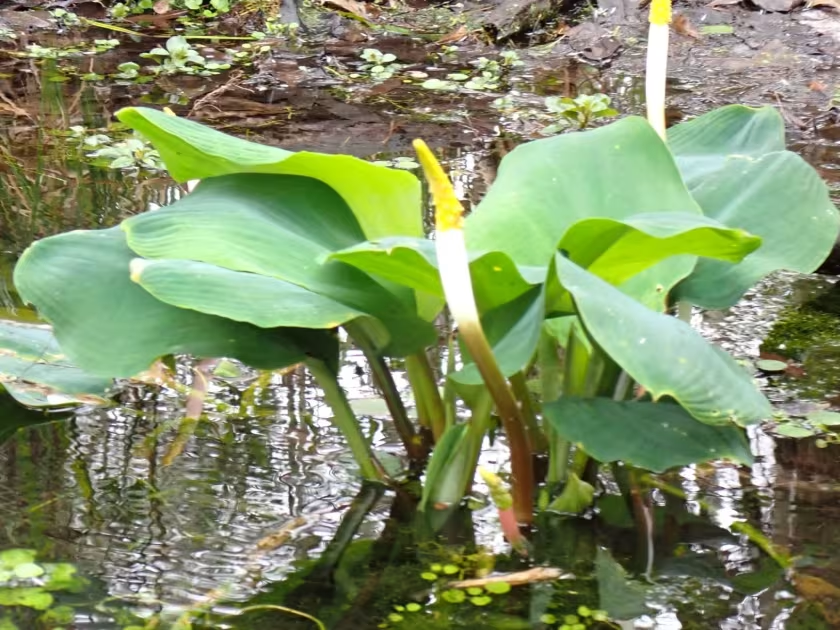
Description
Sowing dates
Propagation of Orontium aquaticum is most effectively achieved through the division of mature rhizomes during the early spring season, just as growth begins.
Seed propagation is a viable alternative, provided the seeds are sown immediately after harvest, as they rapidly lose viability if allowed to dry out.
Seeds should be placed into moist substrate or directly into shallow water to ensure the high moisture levels necessary for successful germination.
When dividing rhizomes, it is essential to ensure that each section retains healthy roots and at least one viable growth point to guarantee successful establishment.
The optimal time for planting or transplanting in ponds is mid-spring, ensuring the water temperature is sufficient to support the rapid development of new roots.
Growing requirements
Orontium aquaticum is a member of the Araceae family and thrives in open, sunny locations with slow-moving or still water conditions.
The species requires a rich, silty, or peaty soil base, which provides the necessary nutrients for its characteristic leaf development and yellow floral spikes.
While tolerant of varying water depths, it performs best when planted at depths between 5 and 25 centimeters below the water surface in a permanent aquatic environment.
Native to the eastern United States, this plant is well-adapted to temperate climates and can withstand winter temperatures as long as the rhizome remains submerged below the frost line.
Water quality is significant, as the plant prefers acidic to neutral water conditions that mirror its natural habitats in marshes, swamps, and pond margins.
Main diseases and pests
Orontium aquaticum is generally a robust species, rarely suffering from severe outbreaks of disease when maintained in a well-balanced aquatic ecosystem.
The primary threats include potential damage from waterfowl, which may feed on young leaves, and occasional infestations by aphids during prolonged hot weather.
Root rot can occur if the pond environment is stagnant or overly rich in decomposing organic matter, which can foster the growth of harmful bacteria and fungi.
Maintaining clear, oxygenated water through proper pond management is the most effective strategy for preventing the onset of common aquatic plant ailments.
Regular inspection of the foliage is recommended to identify early signs of pest damage, allowing for prompt manual removal or safe treatment interventions.