
Oregano
Origanum lirium
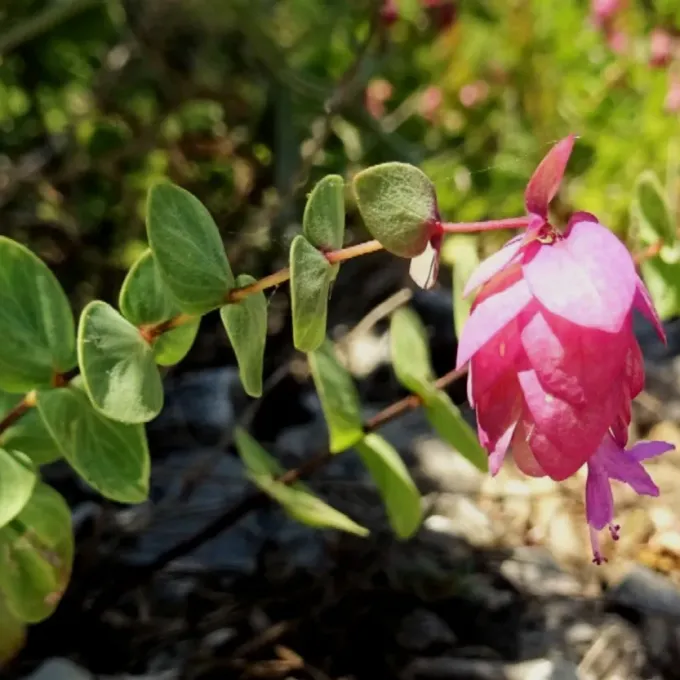
Description
Sowing dates
Oregano (Origanum vulgare), often referenced in botanical archives as Origanum lirium, is a perennial herbaceous plant belonging to the Lamiaceae family. Sowing seeds outdoors is ideally conducted in the spring once soil temperatures reach 10-12 degrees Celsius, typically in mid-April.
For commercial scale production, the seedling method is preferred to establish robust plants. Seeds are sown in greenhouses or trays 45-60 days before transplantation to ensure a well-developed root system that can withstand field conditions upon planting.
Seed depth must be shallow, approximately 0.5 to 1 centimeter, because seeds are photoblastic and require light for germination. Maintaining consistent soil surface moisture is crucial during the early stages of development to prevent drying of the delicate sprouts.
Vegetative propagation via root division is another effective method, usually performed in early spring or late summer. This approach ensures the conservation of desired cultivar characteristics, which is vital for maintaining product consistency across large plantations.
Planting density in field conditions is typically set at 40-50 centimeters between rows and 20-30 centimeters between individual plants. This spacing promotes optimal airflow, which is critical for reducing the incidence of moisture-related fungal diseases.
Growing requirements
Oregano thrives in sunny, well-lit areas, as shade significantly diminishes the concentration of essential oils within the green mass. While the plant is drought-tolerant, supplemental irrigation during peak growth phases is necessary to achieve high-quality commercial yields.
The crop prefers light, well-draining loam or sandy loam soils. It is essential to avoid areas prone to waterlogging, as the root system of oregano is highly sensitive to hypoxia and susceptible to root rot if kept in saturated conditions for prolonged periods.
An optimal soil pH ranges between 6.0 and 7.5. In acidic soils, lime should be applied during autumn land preparation to improve nutrient availability and ensure plant health throughout the growth cycle, thereby enhancing long-term plantation productivity.
Oregano exhibits high winter hardiness, allowing it to survive in temperate climates without extra protection. However, in regions prone to harsh, snowless winters with extreme frosts, applying a layer of organic mulch over the root zone is a recommended precautionary measure.
Fertilizer application should be balanced: nitrogen in the spring boosts foliage growth, whereas potassium and phosphorus in the autumn help strengthen the root system for winter. Organic matter like compost should be incorporated into the soil during initial preparation.
Yield
The economic success of oregano farming relies on the age of the plantation and strict adherence to agrotechnical protocols. Maximum productivity is usually reached in the second or third year after planting, with dry mass yields reaching 10 to 20 centners per hectare.
Harvest timing is the primary factor affecting quality. The highest concentration of essential oils is observed during full bloom, making precise timing of the harvest essential to maximize the commercial value of the produced raw material.
Due to the plant's rapid regenerative capacity, it is possible to obtain two full harvests in a single growing season in warm climates. The second cut must be completed early enough to allow the plant sufficient time to accumulate reserves before winter dormancy.
A single plantation remains productive for 5 to 8 years. Beyond this period, root congestion and plant aging typically lead to a decline in bloom intensity and a lower concentration of biologically active compounds, signaling the need for field renovation.
Overall yields are closely correlated with maintaining proper plant population density and effective weed control during the establishment year. Keeping the field clean during the early growth phase allows the oregano to establish dominance and maximize its output.
Main diseases and pests
One of the primary pests affecting oregano is the froghopper (spittlebug), which feeds on plant sap and creates foam-like clusters. Beyond general plant weakening, heavy infestation can damage leaves and negatively impact the quality of the harvested essential oils.
Powdery mildew is a common fungal disease that arises in conditions of high air humidity or poor plantation ventilation. It manifests as a white powdery coating on leaves, which hinders photosynthesis and can lead to foliage drop if not treated promptly.
Root rot, often caused by pathogenic fungi such as Fusarium, is a consequence of soil over-saturation or poor soil structure. Prevention is the only reliable management strategy, focusing on site selection and ensuring robust drainage systems are in place.
Occasional infestations of aphids and leaf beetles may occur but are generally less critical than fungal threats. On medicinal and culinary plantations, insecticide use is strictly regulated or avoided to maintain product purity, favoring organic management.
Effective defense relies on agricultural hygiene: thinning out overgrown areas, eliminating weeds, and ensuring proper spacing. Regular scouting of the field from early spring through autumn is the most effective way to detect threats before they cause widespread damage.
Harvesting
Harvesting is performed by mowing the green mass at a height of 10-15 centimeters above the soil surface. This height allows for rapid regrowth and maintains the health of the perennial root system for subsequent harvests in following seasons.
Quick transport of the harvested material to the drying facility is essential to prevent self-heating and enzymatic degradation. Drying should take place in shaded, well-ventilated areas, ideally using mechanical dryers at temperatures not exceeding 40 degrees Celsius.
Strict temperature control is critical; excessive heat will cause the rapid volatilization of essential oils, which are the main value component of the plant. Once a moisture content of 12-14% is achieved, the product is stable for long-term storage.
After primary drying, the material undergoes threshing to separate leaves and flowers from the woody stems. The resulting herbal product is then packaged in airtight, light-proof containers to preserve the aromatic and medicinal properties for commercial distribution.
The ideal harvest window corresponds to the 70% bloom stage. Harvesting at this point ensures the perfect equilibrium between total plant mass and the concentration of volatile compounds, which is the primary objective of commercial oregano production.