
Oreomunnea pterocarpa
Oreomunnea pterocarpa
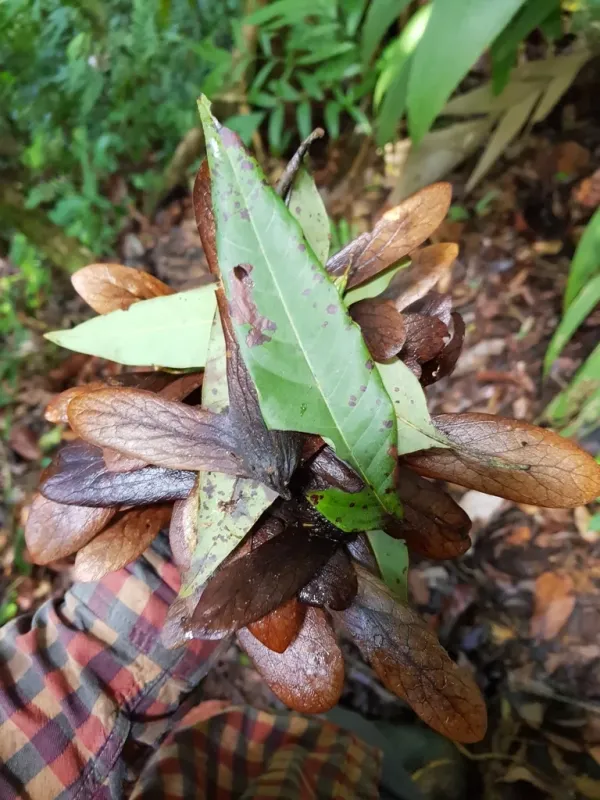
Description
Growing requirements
Oreomunnea pterocarpa is a large tree species belonging to the walnut family, Juglandaceae. It is recognized for its imposing stature, often reaching heights of over 30 meters in the dense forests of its native range.
The plant is endemic to the humid montane forests of Central America, specifically found in countries like Mexico, Guatemala, and Costa Rica. It thrives in cloud forests located at mid-to-high elevations where moisture is consistently present.
Successful cultivation requires deep, well-draining soils that are rich in organic matter. As a tropical species, it is highly intolerant of waterlogged soil conditions, which can lead to rapid root decay if not managed correctly.
The ideal environment is characterized by stable temperatures and high humidity levels throughout the year. The tree should be planted in locations shielded from high winds to prevent mechanical damage to its branches and canopy.
Economically, the species is valued for its high-quality, durable timber, often used in fine woodworking. Beyond its commercial use, it serves as a critical component in maintaining the biodiversity of its native forest ecosystems.
Main diseases and pests
Habitat loss due to deforestation is the primary threat facing Oreomunnea pterocarpa. As forest land is converted to agricultural use, the tree's natural range continues to shrink, leading to fragmented population clusters.
The species is susceptible to various fungal pathogens that thrive in high-humidity environments. These infections often target the root system or the cambium layer, potentially leading to the death of the tree if left unchecked.
Various insect pests, including wood-boring beetles, pose a risk to the structural integrity of the tree. These pests can introduce secondary infections that further weaken the host plant, particularly in stressed or older trees.
Seed predation by local fauna significantly reduces the rate of natural regeneration, making it difficult for the population to rebound naturally in disturbed forest patches.
Effective management and protection require careful monitoring of forest health and the establishment of strict conservation protocols to preserve existing mature stands of this valuable species.