
Oreobambos buchwaldii
Oreobambos buchwaldii
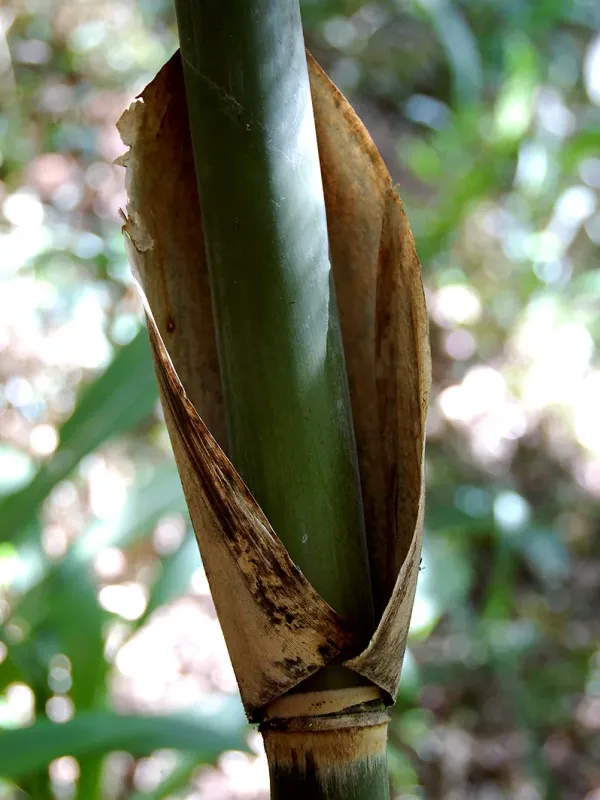
Description
Growing requirements
Oreobambos buchwaldii is a rare species of woody bamboo belonging to the Poaceae family. It is native to the high-altitude montane forests of East and Central Africa, where it thrives in cool, humid environments.
The crop is highly climate-specific, requiring steady temperatures and high levels of atmospheric humidity. It is not adapted to low-lying arid regions or frost-prone areas, making precise site selection essential for success.
Ideal soil conditions consist of well-drained, nutrient-rich loams with a slightly acidic to neutral pH. Proper soil structure is critical to prevent root rot while ensuring enough moisture retention during the growing season.
Agricultural techniques for this bamboo involve shading young shoots, as direct high-intensity sunlight can inhibit early development. In natural habitats, it grows effectively as an understory crop, which should be replicated in commercial plantations.
The plant demonstrates significant biomass production capacity during tropical rainy seasons. Propagation is primarily vegetative through rhizome division, which ensures the genetic stability of the plantation over time.
Yield
The primary economic use of Oreobambos buchwaldii is the production of durable timber for construction. Its flexible and strong stems are essential for building traditional residential and agricultural structures in African highlands.
Beyond construction, this bamboo species is vital for craft production. It is used to manufacture durable furniture, baskets, and decorative household items, supporting local economies and traditional artistic practices.
The crop provides invaluable environmental services by stabilizing steep mountain slopes. Its robust rhizome network effectively combats soil erosion, protecting precious topsoil in fragile high-altitude ecosystems.
In certain communities, young bamboo shoots serve as a seasonal food source. Proper processing methods are required to remove bitterness, making them a nutritious addition to the local diet.
Plantation management focuses on selective harvesting, which ensures the long-term health of the clump. By removing only mature stems, farmers can sustain yields for decades without replanting, promoting efficient resource use.
Main diseases and pests
Fungal infections pose the most significant risk to Oreobambos buchwaldii, particularly in stagnant, excessively humid conditions. These pathogens can compromise the structural integrity of the bamboo stems.
Insect pests, including various borers and spider mites, can damage the growth points and foliage. A consistent monitoring program is necessary to identify and treat early signs of pest outbreaks before they become systemic.
Small mammals and rodents may also cause mechanical damage to rhizomes, especially in newly established plantations. Maintaining a clear perimeter and monitoring soil health are essential practices for effective pest mitigation.
Environmental stress, such as uncharacteristic drought, significantly reduces the plant's resistance to disease. Maintaining adequate hydration is not only a growth requirement but also a prophylactic measure against stress-related infections.
Best practices for disease control include regular sanitary thinning of the clumps. Removing dead or infected culms ensures adequate air circulation within the stand, effectively reducing the spore count of airborne pathogens.