
Opithandra primuloides
Opithandra primuloides
Description
Growing requirements
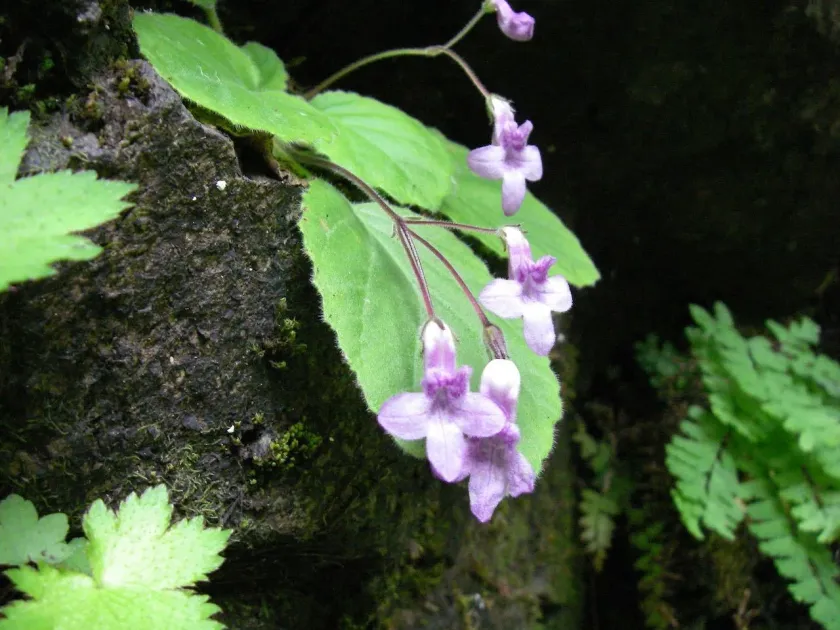
Opithandra primuloides is a perennial herbaceous plant belonging to the Gesneriaceae family. Originating from the mountainous regions of Japan, it is well-adapted to life on shaded rocky cliffs and moist substrates.
The plant is characterized by a compact rosette of primula-like leaves, which are covered in fine hairs. This distinct foliage structure gives the plant a high aesthetic value for collectors of exotic Gesneriads.
When cultivating this species, it is essential to replicate its natural habitat by providing indirect light. Intense sunlight will quickly scorch the delicate leaves and disrupt the plant's growth cycle.
The growing medium must be highly porous and slightly acidic. A mix consisting of peat, perlite, and a small amount of vermiculite works effectively to provide both aeration and controlled moisture retention.
Temperature management is critical; the plant thrives in cool to temperate conditions. Avoid heat spikes during the summer, and ensure a distinct cooling period during the winter to mimic its natural dormancy.
Main diseases and pests
The primary threat to the health of Opithandra primuloides is root rot caused by waterlogged soil. Proper drainage is mandatory to prevent irreversible damage to the root system.
High humidity combined with poor airflow can lead to fungal issues such as grey mold (Botrytis), which can rapidly spread across the dense leaves of the plant.
Spider mites are the most common pest for this species, especially if the air humidity drops too low. These pests thrive in dry environments and can quickly weaken the plant.
Mealybugs are another potential threat that can hide deep within the leaf rosette. Frequent monitoring is necessary to catch any infestations early before they become established.
Good hygiene practices, such as removing dead leaves and ensuring proper ventilation, are the most effective ways to prevent disease and pest outbreaks in a collection.