
Ophrys hygrophila
Ophrys hygrophila
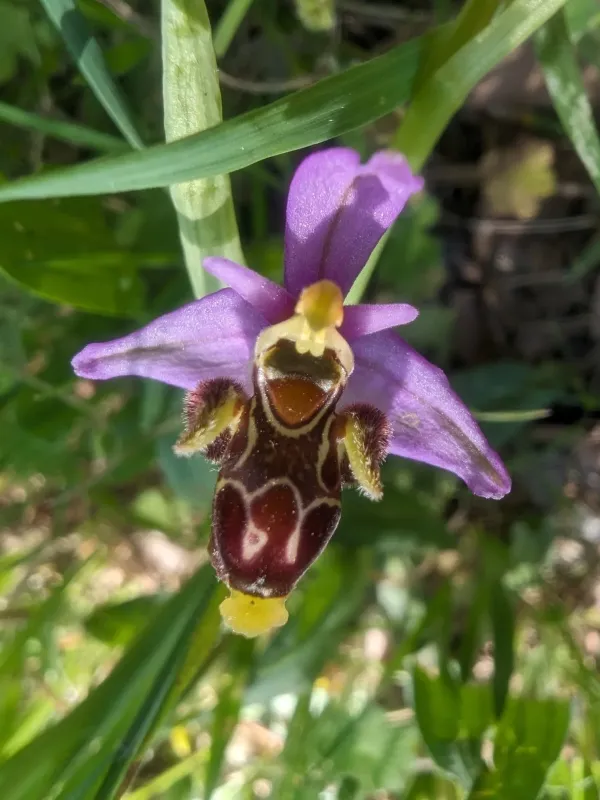
Description
Growing requirements
Ophrys hygrophila is a rare perennial herbaceous plant belonging to the Orchidaceae family. Known for its specific habitat requirements, this species is primarily located in southern Spain, favoring limestone soils and specific Mediterranean climatic conditions.
Botanically, this species is distinguished by its highly specialized flowers that utilize visual and chemical mimicry to attract specific pollinators. This evolutionary strategy is essential for the plant's reproductive success in its fragmented natural range.
The term "hygrophila" signifies the plant's requirement for relatively moist soil conditions compared to other members of its genus. It relies heavily on a complex symbiotic relationship with soil fungi, a common feature of many wild orchid species that makes ex-situ cultivation extremely challenging.
It is important to emphasize that this plant is not a commercial agricultural crop. There is no large-scale farming or agricultural technology developed for this species, as it is protected under national and international environmental regulations.
The value of Ophrys hygrophila is strictly conservation-based and scientific. It serves as an indicator of ecosystem health and contributes significantly to the botanical diversity of its native habitat, requiring careful protection rather than human exploitation.
Main diseases and pests
The survival of Ophrys hygrophila populations is threatened by land-use changes, such as infrastructure development and agriculture, which destroy its sensitive limestone habitats.
Climate change poses a significant threat, as shifts in precipitation patterns directly impact the moisture levels required for the plant's growth and the survival of the mycorrhizal fungi it depends upon.
Herbivory by slugs and specialized insect larvae can severely limit the plant's ability to complete its reproductive cycle, often destroying the inflorescence before pollination occurs.
Environmental pollutants, including nitrogen deposition from neighboring agricultural lands, can alter soil chemistry, creating unfavorable conditions for this specialized calcicole plant.
Effective management requires habitat restoration and strict enforcement of protected status to prevent illegal collection and unauthorized human interference in the plant's fragile ecosystem.