
Ophiorrhiza succirubra
Ophiorrhiza succirubra
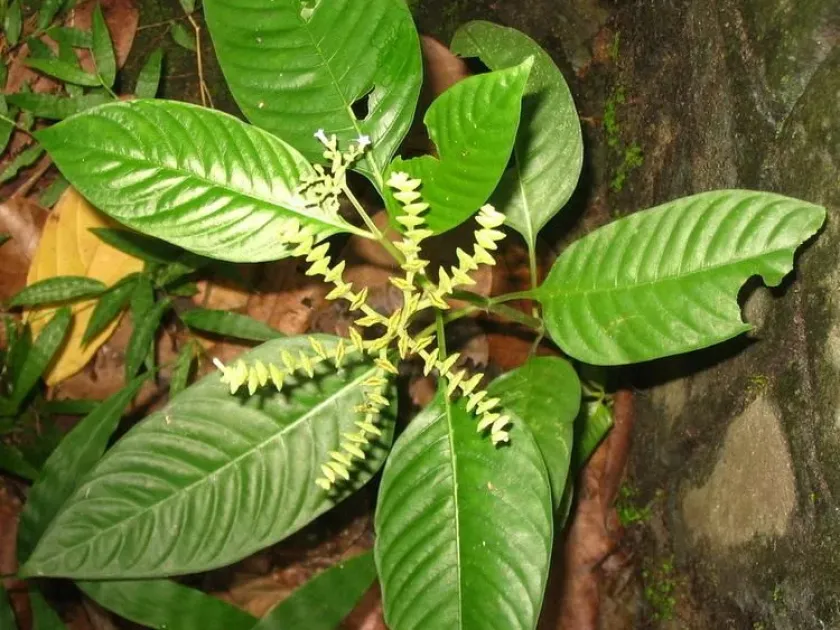
Description
Sowing dates
Ophiorrhiza succirubra is a perennial herbaceous plant from the Rubiaceae family. In agricultural practice, it is primarily propagated through vegetative cuttings, though seed propagation is possible under highly controlled greenhouse conditions.
Seeds require high humidity and consistent warmth to germinate. The sowing medium must be light, peat-based, and sterile to prevent damping-off, a common issue with tropical forest-floor species during the early growth stages.
Vegetative propagation is the preferred method for commercial cultivation to ensure genetic uniformity. Cuttings are taken from healthy, mature plants and rooted in a moist, well-aerated medium under a misting system to maintain turgor.
Transplanting to permanent beds or containers should be handled with extreme care to avoid damaging the fragile root system. Once established, plants exhibit steady growth if environmental parameters remain constant.
Early-stage growth requires shading to mimic the natural understory environment of its native habitat, protecting seedlings from intense light that can inhibit development.
Growing requirements
As a tropical species, this plant requires a stable temperature range between 20°C and 28°C. Exposure to temperatures below 15°C often leads to metabolic disruption and may kill the plant.
Lighting must be strictly controlled; bright, direct sunlight is detrimental to the foliage. Using 60–70% shade cloth in greenhouse environments is recommended to provide the necessary diffuse light levels.
Soil requirements include a rich, organic, slightly acidic medium with excellent drainage. The plant suffers quickly in waterlogged conditions, making high-quality drainage systems a non-negotiable aspect of its agronomy.
Watering frequency should ensure the root zone remains consistently moist but never saturated. Automated irrigation systems, coupled with humidity sensors, provide the best results for commercial operations.
Maintaining high relative humidity (above 70%) is vital for the physiological well-being of the plant. In dry climates, the use of fogging systems is essential to simulate the native forest atmosphere.
Main diseases and pests
Root rot, primarily caused by fungal pathogens such as Pythium and Phytophthora, is the most severe threat to the crop. These pathogens thrive in poorly drained soils and high-humidity environments.
Insect pests such as spider mites and aphids are frequent visitors to protected crops. They cause significant damage by feeding on leaf tissues, which reduces the overall plant health and quality of the medicinal extract.
Integrated Pest Management (IPM) is crucial. Biological controls, such as predatory mites, are preferred over broad-spectrum pesticides to preserve the medicinal integrity of the foliage.
Strict sanitation protocols must be followed to prevent the spread of diseases. This includes regular cleaning of tools and the prompt removal and disposal of any infected plant material from the growing area.
Environmental monitoring is the first line of defense; maintaining optimal airflow and preventing humidity spikes can effectively minimize the occurrence of most common pathogens.
Harvesting
The primary value of Ophiorrhiza succirubra lies in the extraction of camptothecin, a high-value alkaloid. Harvesting is timed to match the peak concentration of this substance, usually occurring just before full bloom.
Hand-harvesting is standard to avoid bruising the delicate leaves. The plants are cut at the base and moved immediately to the processing facility to prevent the oxidation of active compounds.
Drying is a critical phase. It must be performed at low temperatures (below 40°C) with good ventilation to ensure that the alkaloids are not degraded by heat or trapped moisture during the dehydration process.
Once dried, the biomass is milled and stored in light-proof, airtight containers. This protects the active ingredients from degradation by UV light and air, ensuring long-term shelf stability for the pharmaceutical raw material.
Yield management depends on the intensity of the growing cycle and the health of the crop. Regular analysis of the alkaloid content is necessary to optimize the timing of the harvest for each seasonal cycle.