
Japanese Ophiorrhiza
Ophiorrhiza japonica
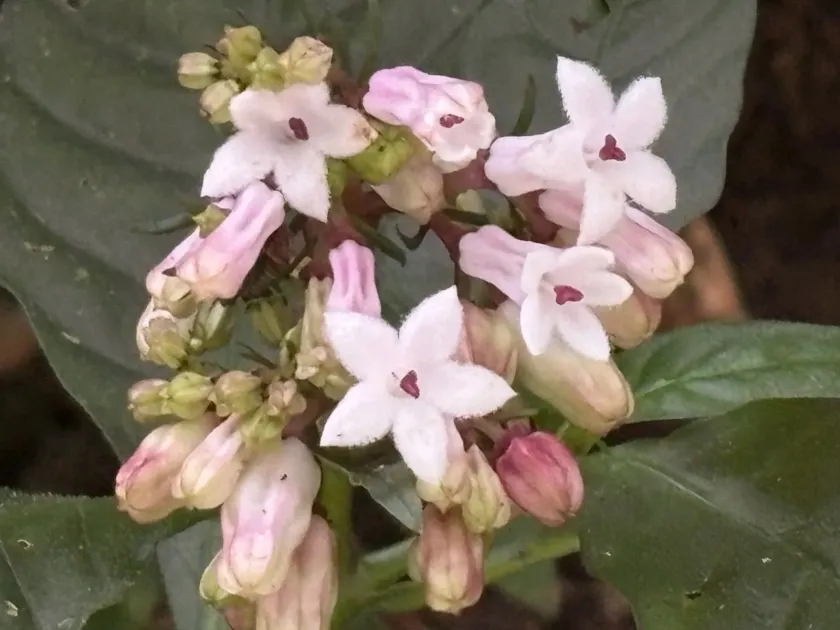
Description
Growing requirements
Japanese Ophiorrhiza (Ophiorrhiza japonica) is a perennial herbaceous plant belonging to the Rubiaceae family. Native to East Asia, it thrives in shaded and humid environments such as mountain forests and valleys.
Cultivation of this crop requires nutrient-rich, well-draining, and slightly acidic soil. The plant is highly sensitive to moisture stress and performs best in an environment with high air humidity, mirroring its natural forest habitat.
Regarding light conditions, Japanese Ophiorrhiza must be kept in partial shade. Excessive sunlight exposure causes rapid wilting and chlorosis of the leaves, which significantly inhibits the accumulation of secondary metabolites in the plant tissues.
The plant is known for its content of camptothecin, an alkaloid with potent anti-tumor properties. Therefore, it is increasingly studied and grown as a source of raw material for medicinal applications under controlled laboratory or greenhouse conditions.
Optimal growth temperatures generally range between 15°C and 25°C. Protection from frost is essential, as the plant lacks cold hardiness and is easily damaged by temperatures dropping below freezing point.
Main diseases and pests
The main threats to Japanese Ophiorrhiza cultivation include root rot pathogens, which are primarily facilitated by poor soil drainage and overly frequent irrigation cycles that lead to waterlogging.
Pest pressure often comes from greenhouse pests such as spider mites, aphids, and whiteflies, which thrive in confined spaces where temperature and humidity levels are elevated for extended periods.
To maintain plant health, it is critical to ensure proper air circulation throughout the crop canopy, which effectively reduces the likelihood of fungal outbreaks and discourages pest colonization.
Integrated pest management strategies are recommended, focusing on early detection through scouting and the use of botanical or biological control agents to minimize chemical residue on the harvested herb.
Maintaining a sterile environment during the propagation phase and ensuring the use of disease-free planting material significantly lowers the risk of catastrophic crop failure due to soil-borne pathogens.