
Open clover
Trifolium apertum Bobrov
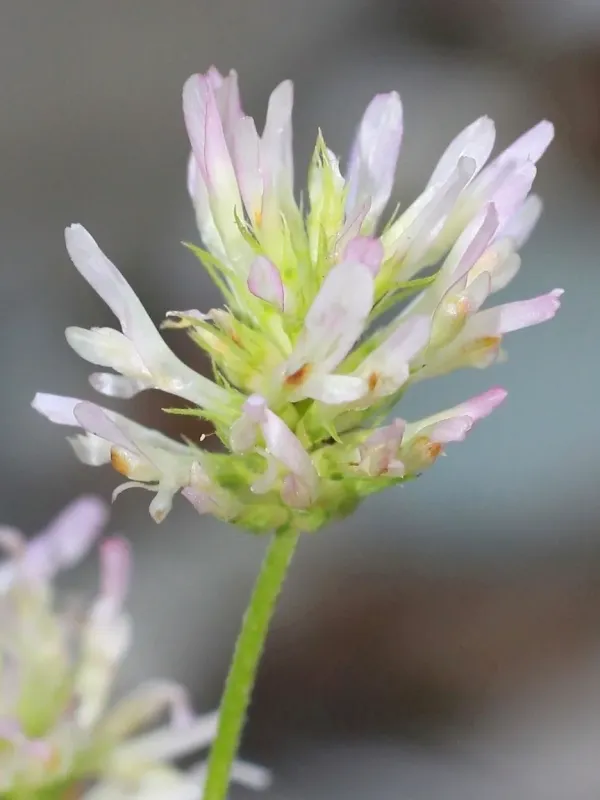
Description
Sowing dates
Sowing of open clover is preferably conducted in the spring season once the soil temperature consistently reaches 6–8°C, ensuring rapid and uniform germination.
For establishing pastures or hayfields, undersowing into cover crops is a common practice to protect tender seedlings from excessive heat in their initial development.
Seed depth is generally maintained between 1 to 2 centimeters. On lighter, sandy soils, slightly deeper planting is recommended to prevent moisture deficit in the root zone.
The optimal seeding rate ranges from 12 to 16 kg per hectare, provided the seeds possess high germination energy and the seedbed is appropriately prepared.
Post-sowing rolling is a crucial mechanical step to ensure good soil-to-seed contact, which facilitates capillary water movement to the germinating seeds.
Growing requirements
Open clover is a member of the legume family and is a perennial herbaceous plant well-adapted to specific temperate climate conditions.
While the crop shows moderate moisture requirements, it exhibits resilience during short periods of drought due to its deep taproot system.
The plant thrives best in loose, fertile soils with a neutral or slightly acidic pH. Liming acidic soils significantly enhances the total productivity of the stand.
Sufficient solar radiation is a critical factor for biomass accumulation. Excessive shading reduces the plant's competitiveness within a mixed grass stand.
Ensuring the availability of phosphorus and potassium fertilizers is essential to support root development and nitrogen-fixing nodules on the root system.
Yield
The yield of open clover depends heavily on moisture availability and soil nutrient status. Under optimal conditions, two full cuts per season can be achieved.
The green mass is characterized by high nutritional value, rich in protein and essential vitamins, making it an excellent fodder for livestock management.
The second cut typically accounts for 30–40% of the total annual productivity, as regrowth rates decrease following the first harvest due to moisture depletion.
Annual applications of phosphorus fertilizers are recommended to maintain stand longevity and promote active tillering, thus ensuring consistent yields over years.
High seed yields require favorable weather conditions during the flowering phase and an adequate presence of pollinators, such as bumblebees and honeybees.
Main diseases and pests
Like many legumes, open clover is susceptible to the clover weevil, which feeds on leaf tissue and significantly reduces the plant's photosynthetic capacity.
Anthracnose is a prevalent fungal disease that affects stems, potentially leading to lodging and tissue necrosis during periods of rapid vegetative growth.
Powdery mildew often occurs in the latter half of the summer during sharp temperature fluctuations, covering leaves in a white fungus and reducing fodder quality.
In waterlogged conditions, the crop is prone to root rot, which leads to stand thinning and the premature death of individual plants throughout the field.
- Regular monitoring for pest presence during bud formation.
- Timely mowing upon initial detection of disease symptoms.
- Strict crop rotation to reduce pathogen accumulation in the soil.
Harvesting
The primary harvest for hay should occur during the full flowering phase to achieve the best balance between biomass volume and nutritional density.
For silage production, it is recommended to harvest at the bud stage, as protein concentration is at its maximum before the plant matures fully.
Mowing height should not be lower than 5–7 centimeters. Cutting too close to the ground can damage growth points, hindering winter survival and regrowth.
Drying the swath requires careful monitoring to prevent excessive leaf shatter, as leaves contain the highest concentrations of vital plant nutrients.
Post-harvest harrowing is suggested to clear debris, which improves soil aeration and promotes more vigorous root activity for the following growing season.