
Oleander
Nerium oleander L.
Description
Growing requirements
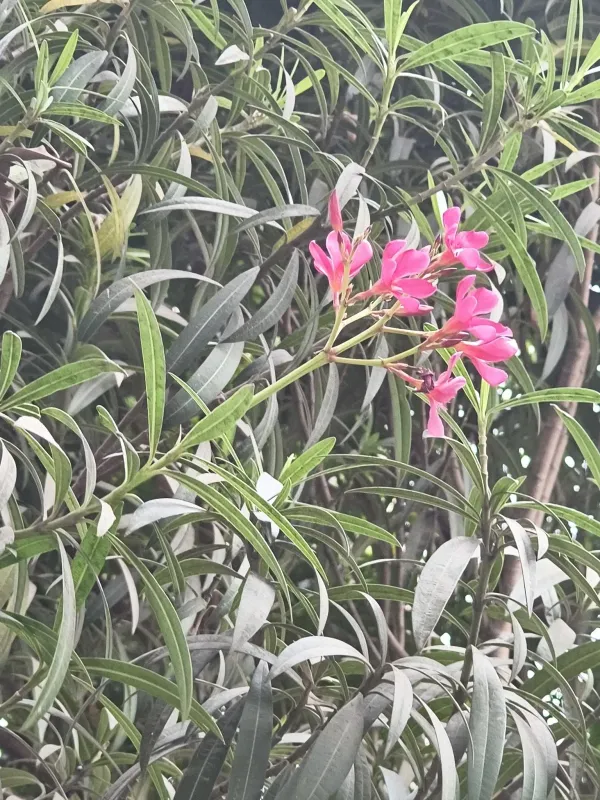
Oleander (Nerium oleander L.) is an evergreen ornamental shrub belonging to the Apocynaceae family. It originates from the Mediterranean region and is widely cultivated in warm climates across the globe as a classic decorative landscape plant.
The plant thrives in full sun, which is essential for prolific blooming and strong stem development. While it is drought-tolerant once established, supplemental irrigation is necessary during the peak growing season to ensure optimal vegetative growth.
Soil requirements for Nerium oleander are quite specific: it demands well-drained, fertile soil with a neutral pH. It adapts well to various soil textures, provided that waterlogging is prevented, as the root system is susceptible to decay in stagnant water conditions.
In terms of agricultural management, regular pruning is crucial to maintain the desired shape and stimulate the production of new flowering shoots. Pruning should be performed with caution due to the plant's high toxicity to humans and animals.
The cultural significance of oleander lies in its versatility as a hardy shrub for public parks and private gardens. It is frequently used in coastal landscaping due to its relatively high tolerance for salt spray and hot, dry environmental conditions.
Main diseases and pests
Scale insects are among the most persistent pests of oleander, often appearing on the undersides of leaves and along stems. They secrete honeydew, which promotes the growth of sooty mold, further debilitating the plant.
Oleander aphids are specific pests that often congregate in dense colonies on flower buds. They can significantly reduce the quality of blooming and should be treated with appropriate contact insecticides if infestations become severe.
Oleander gall, caused by the bacterium Pseudomonas syringae pv. savastanoi, is a common disease characterized by the development of woody, tumor-like growths. This condition is difficult to cure, and infected parts must be pruned and destroyed immediately.
Fungal leaf spot diseases can occur during prolonged periods of high humidity. Proper spacing and airflow between plants are essential to mitigate the risk of infection by airborne spores.
Spider mites represent a threat in hot and dry climates, particularly for potted specimens. Regular misting and maintaining appropriate humidity levels serve as effective preventative measures against these microscopic pests.