
Cuspidata olive
Olea europaea L. subsp. cuspidata (Wall. ex G. Don) Cif.
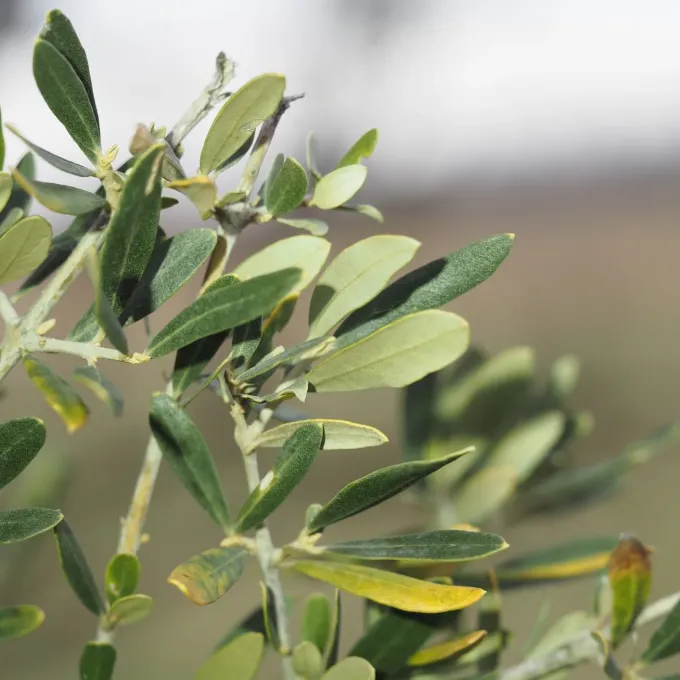
Description
Growing requirements
Cuspidata olive (Olea europaea subsp. cuspidata) is a robust evergreen tree belonging to the Oleaceae family. It is distinct from the common European olive due to its unique adaptation to harsh, arid environments.
This subspecies is native to regions of Africa, the Arabian Peninsula, and Southern Asia. It thrives in environments where rainfall is scarce, making it an excellent candidate for agricultural development in semi-arid zones.
The plant requires full sun exposure and well-draining soil to thrive. It is notably tolerant of poor soil quality, including rocky or calcareous terrains, where it maintains structural integrity and modest growth rates.
Ideal temperatures for active growth range from 18 to 30 degrees Celsius. While it can tolerate brief chilly spells, it is sensitive to prolonged frost, which necessitates protective measures in cooler climates.
Standard agricultural practices involve minimal irrigation, focusing primarily on establishing young plants. Proper aeration of the root system is essential to prevent physiological stress caused by waterlogged soil conditions.
Yield
The economic value of the Cuspidata olive lies in its versatility as a multi-purpose crop. The fruits are harvested for oil production, which is rich in beneficial fatty acids and nutrients, serving local food markets.
Its timber is highly regarded for its density, durability, and attractive grain, making it a preferred material for high-quality carpentry, handicrafts, and decorative woodworking projects globally.
In agricultural systems, these trees serve as essential windbreaks and soil stabilizers. Their deep root systems anchor the soil effectively, preventing erosion in sensitive landscapes and supporting sustainable farming.
Leaves of this olive subspecies are utilized in the pharmaceutical industry due to their high content of polyphenols, such as oleuropein, which are extracted for wellness and health-supporting supplements.
Beyond commercial output, the plant contributes to local biodiversity. It provides shelter and sustenance for various pollinators and avian species, acting as a cornerstone for healthy, managed agricultural ecosystems.
Main diseases and pests
Like many olive varieties, the Cuspidata olive is susceptible to the olive fruit fly, which poses a significant threat to yields. Integrated pest management strategies are crucial for controlling population spikes.
Fungal infections, particularly Peacock Spot, can become problematic during periods of high humidity or poor canopy ventilation. This condition leads to leaf shedding and reduces the overall vigor of the trees.
Scale insects and mealybugs can also infest the stems and leaves, extracting vital sap. Regular scouting of the plantation allows for targeted interventions, reducing the need for broad-spectrum chemical treatments.
Root rot is a major risk associated with poor irrigation management. Ensuring a balanced soil moisture level is the most effective preventative measure against these soil-borne pathogens in commercial settings.
Maintaining a healthy nutrient balance, specifically avoiding excessive nitrogen, helps keep the trees less attractive to foliage-eating pests and enhances their natural resistance to seasonal stressors and common diseases.