
Odontocarya tamoides
Odontocarya tamoides
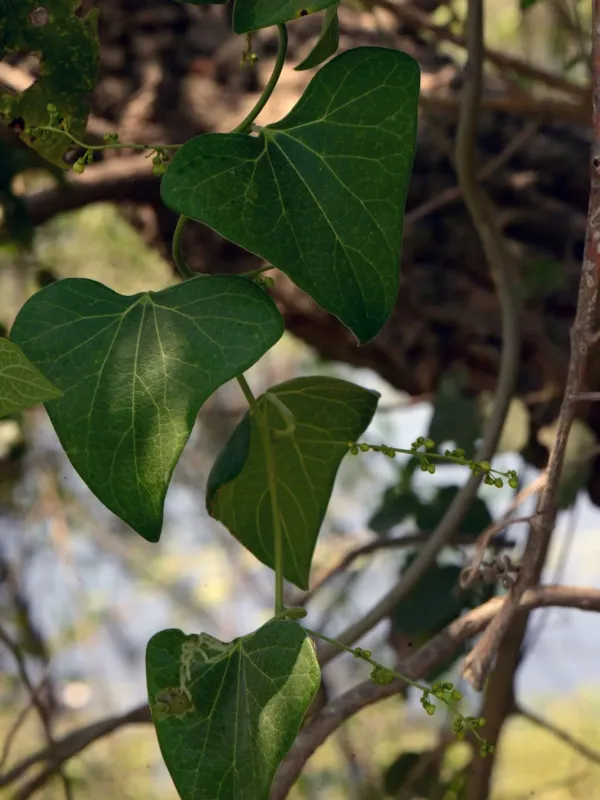
Description
Sowing dates
Odontocarya tamoides is a perennial woody vine belonging to the Menispermaceae family. Its biological nature allows it to thrive in tropical environments, utilizing its climbing habit to access sunlight in dense forests.
Propagation is typically achieved through seeds, which require specific moisture and temperature conditions to germinate effectively. The ideal sowing time is during the start of the warm season when temperatures are consistently above 20°C.
Soaking seeds before planting can significantly enhance the uniformity of germination. Using a light, peat-based mix provides the necessary structure and aeration for the emerging radicle to develop without compaction.
Once seedlings have developed their first true leaves, they should be transplanted into larger containers to allow for root development before being hardened off for outdoor planting.
Providing vertical support structures, such as trellises or netting, is essential from an early stage, as the plant naturally seeks to climb to optimize its leaf area for photosynthesis.
Growing requirements
This species is highly dependent on a tropical climate. It requires high average temperatures throughout the year and is highly sensitive to frost, which can kill the vine in a matter of hours.
Soil requirements include high organic content and excellent drainage. The plant thrives in deep, fertile soils where root systems can explore freely without being impeded by waterlogging or compacted clay.
While the vine prefers bright, filtered sunlight, it can adapt to partial shade. Exposure to intense, direct midday sun, especially in younger stages, may require supplemental moisture to prevent leaf scorching.
Consistent soil moisture is vital during the growing season. However, once the plant is established, it can handle short periods of drought due to its deep-reaching root system.
Fertilization with a balanced NPK fertilizer during the active growth phase helps promote vigorous climbing and strong vine development, which is critical for the plant's overall vitality.
Main diseases and pests
The primary pests affecting this vine include sap-sucking insects such as aphids and spider mites. These pests tend to congregate on the undersides of leaves, weakening the plant by draining its nutrients.
Fungal diseases like powdery mildew are common in humid, stagnant conditions. Ensuring good air circulation through proper spacing and regular pruning can significantly mitigate the risk of infection.
Root rot is a major threat caused by overwatering or poor drainage. Preventing water accumulation at the base of the plant is the most effective way to avoid this devastating condition.
Nematodes can also be an issue if the soil is not treated properly before planting. Soil solarization or the use of approved nematicides can help keep the root zone healthy in greenhouse environments.
Regular monitoring of the foliage for discoloration or structural weakness allows for early detection of potential threats, enabling the grower to implement targeted solutions before the damage spreads.
Harvesting
Harvesting strategies for Odontocarya tamoides focus primarily on the collection of leaves or stems, depending on the intended use, such as medicinal extraction or botanical studies.
Leaves are typically harvested when they are fully mature but still pliable, as this is when the concentration of phytochemicals is often at its peak for secondary metabolite extraction.
Stems should be cut cleanly using disinfected tools to prevent the introduction of pathogens into the vascular system of the remaining plant, which would compromise future growth.
After harvesting, the plant material should be dried in a well-ventilated, shaded area to preserve its chemical profile. High heat or direct sunlight can degrade the beneficial compounds found in the tissue.
Once dried, the product should be stored in cool, dark containers to ensure long-term stability and quality before processing or further research usage.