
Ocimum campechianum
Ocimum campechianum
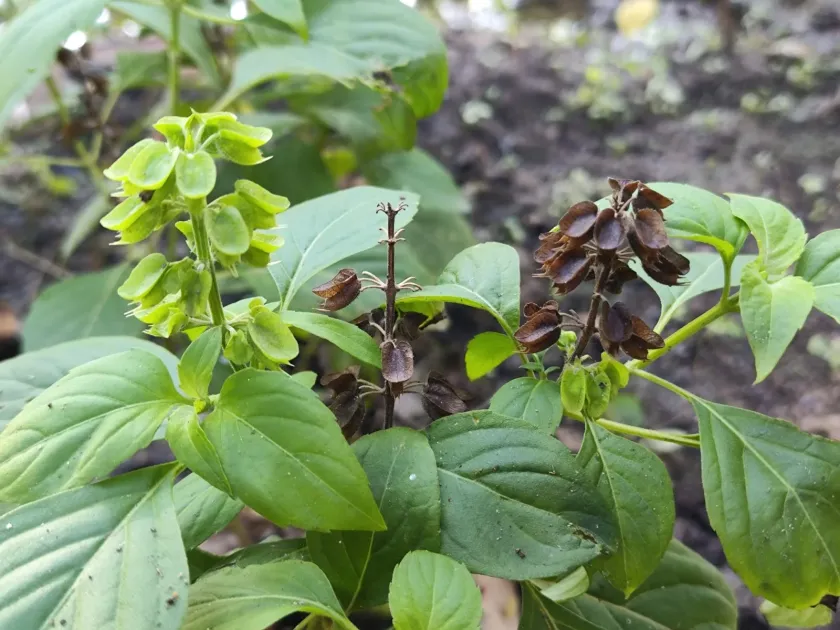
Description
Sowing dates
Ocimum campechianum is a tropical perennial plant that thrives in warm climates and is often grown as an annual in temperate regions. Seeds should be sown indoors 6 to 8 weeks before the last frost date to ensure a strong start.
When sowing, use a well-draining, sterile seed-starting mix. Cover the seeds lightly with soil, as they require light for optimal germination, and maintain a temperature between 22–25 degrees Celsius.
For direct seeding in tropical climates, wait until the soil has warmed up completely. Space seeds approximately 30 cm apart to allow for proper airflow as the plants mature.
Transplanting seedlings into the garden should only occur once the nighttime temperatures are consistently above 15 degrees Celsius to prevent stunted growth or chill damage.
Keeping the germination medium consistently moist is crucial, but avoid overwatering, which can lead to fungal issues in young seedlings.
Growing requirements
This species requires full sun exposure to thrive and develop its characteristic essential oils. In partial shade, the plant tends to become leggy and less aromatic.
Well-drained, fertile soil rich in organic matter is ideal for this herb. The soil pH should ideally be neutral or slightly acidic, ensuring nutrient availability for healthy leaf production.
Consistent soil moisture is necessary for robust growth; however, the soil must never remain waterlogged, as this leads to root rot and other phytopathological conditions.
During the growing season, a balanced organic fertilizer can be applied periodically to support the vigorous growth of foliage, which is the primary harvestable product.
Adequate spacing between plants is essential to promote good air circulation, which helps reduce the humidity around the leaves and prevents various fungal leaf diseases.
Yield
The yield of Ocimum campechianum is optimized through regular pinching of the apical tips, which encourages the plant to branch out and produce more foliage.
Under favorable conditions, a grower can expect multiple cuttings throughout the season, significantly increasing the total fresh weight per square meter.
Optimal timing for harvest is just before the plant begins its flowering stage, as this is when the concentration of aromatic compounds in the leaves is at its peak.
Management of irrigation and soil nutrition plays a direct role in the yield; plants under stress due to drought or nutrient deficiency will produce significantly lower biomass.
Effective weed control is also necessary to prevent competition for water and nutrients, ensuring that the maximum energy is directed towards the growth of the herb.
Main diseases and pests
Fungal diseases such as downy mildew and fusarium wilt represent the most significant threats to crops of this species, especially in humid or poorly ventilated growing environments.
Pests like aphids, whiteflies, and spider mites can cause severe damage by feeding on plant sap, leading to leaf yellowing and distorted growth patterns.
Slugs and snails can be particularly problematic for young plantings, necessitating the use of mechanical barriers or organic deterrents during the early establishment phase.
Crop rotation is vital to prevent the buildup of soil-borne pathogens; avoid planting Ocimum species in the same spot for more than three years consecutively.
Biological pest control methods, such as introducing beneficial insects, are highly recommended to keep populations in check without compromising the quality of the harvested crop.
Harvesting
Harvesting should ideally be done in the early morning after the dew has evaporated but before the heat of the day causes essential oils to dissipate.
Use clean, sharp shears to harvest leaves or stems. Always leave at least 15 cm of the base of the plant intact to allow for regrowth and subsequent harvests.
After harvesting, the foliage should be processed immediately by cooling it or placing it in a well-ventilated area for drying to preserve its quality.
For dried products, hang the stems in bunches in a dark, shaded room with good airflow to ensure the leaves remain vibrant and flavorful.
Storing the harvested material at proper temperatures is essential for maintaining shelf life, as the leaves are delicate and susceptible to browning if handled incorrectly.