
Balsa tree
Ochroma pyramidale (Cav. ex Lam.) Urb.
Description
Sowing dates
The balsa tree, scientifically known as Ochroma pyramidale, belongs to the Malvaceae family. It is a pioneer species native to the tropical regions of Central and South America, characterized by an exceptionally fast growth rate in its early development stages.
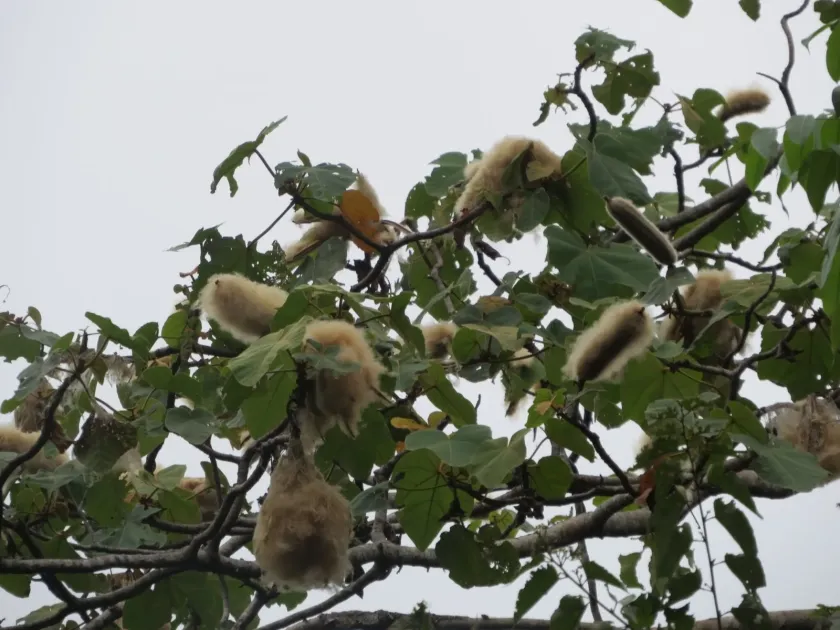
Propagation is typically done through seeds collected from pods that burst open to release fluffy, cotton-like fibers. In commercial nurseries, seeds are sown in sterilized trays to ensure optimal germination and protection against soil-borne pathogens during the critical seedling phase.
Planting usually occurs at the beginning of the rainy season to provide the young trees with sufficient soil moisture to establish their root systems. High levels of precipitation are essential for the rapid biomass accumulation that defines this species.
Proper field preparation is vital, requiring deep plowing and the removal of competing weeds. Due to its shade-intolerant nature, balsa requires wide spacing to ensure that all canopy leaves receive adequate sunlight for photosynthesis.
Young plantations require constant monitoring for growth uniformity. Thinning is often performed to remove stunted or malformed specimens, ensuring that the remaining trees have sufficient resources to develop straight, high-quality trunks.
Growing requirements
Balsa trees thrive only in tropical climates with consistent temperatures between 20 and 30 degrees Celsius. Exposure to frost or even prolonged cold snaps can result in severe cellular damage or the total death of the crop.
Light is the most limiting factor for the growth of Ochroma pyramidale. It is a classic heliophilic species that requires full sun throughout the day; even slight shading can drastically reduce the density and quality of the final wood product.
The species is highly sensitive to waterlogged conditions and requires well-drained, fertile soils. Alluvial soils found in river valleys are considered ideal, as they provide the necessary nutrients and oxygen balance for root health.
Fertilization regimes in commercial plantations focus on nitrogen supply during the first three years. However, a balanced supply of potassium is also required to support the rapid cell wall development that gives balsa its unique mechanical properties.
Humidity management is important, as the tree naturally occurs in rainforest environments. While it can withstand short periods of moderate dryness, sustained drought stress will lead to leaf drop and a significant reduction in the annual radial growth rate.
Yield
The primary yield from a balsa plantation is the timber, which is harvested at an early age. Trees typically reach commercial maturity within 6 to 10 years, making them one of the fastest-producing sources of industrial lumber in the world.
The wood is globally renowned for its low density, which is achieved through rapid cell expansion during growth. This lightweight structure makes it an essential material for aircraft models, structural cores in wind turbine blades, and marine insulation.
Yield estimation is based on the total cubic volume of harvestable logs per hectare. Efficient management practices, such as proper spacing and weeding, can significantly increase the volume of high-quality, knot-free timber produced per hectare.
Post-harvest management is critical as the wood has a very high moisture content at the time of felling. Kiln drying is necessary to stabilize the timber and prevent the development of dark stains or fungal infections during the seasoning process.
Sustainable plantation management often includes a fallow period or the intercropping of nitrogen-fixing legumes after the final harvest. This helps to replenish the soil nutrients that are heavily extracted by the fast-growing balsa trees.
Main diseases and pests
Root rot is the most significant threat to balsa plantations, often caused by poor soil drainage. When the roots are saturated for extended periods, they become susceptible to various Phytophthora species that can quickly kill entire sections of a plantation.
Insect pests, such as wood-boring beetles, can invade the trunks and cause significant structural damage. These infestations not only ruin the quality of the timber but also provide entry points for secondary fungal diseases.
The dense foliage of the balsa tree can create humid microclimates that promote the development of leaf spot diseases. Ensuring proper spacing and airflow between trees is the best preventative strategy against these types of foliage pathogens.
Sanitation is a vital component of pest management. All dead or heavily infested trees must be removed and destroyed immediately to prevent the spread of insects and pathogens to healthy individuals within the stand.
Integrated Pest Management (IPM) is strongly recommended to minimize chemical input. Encouraging natural predators, such as birds and beneficial insects, helps maintain the balance within the plantation ecosystem and protects the integrity of the balsa wood.