
Ochagavia carnea
Ochagavia carnea
Description
Growing requirements
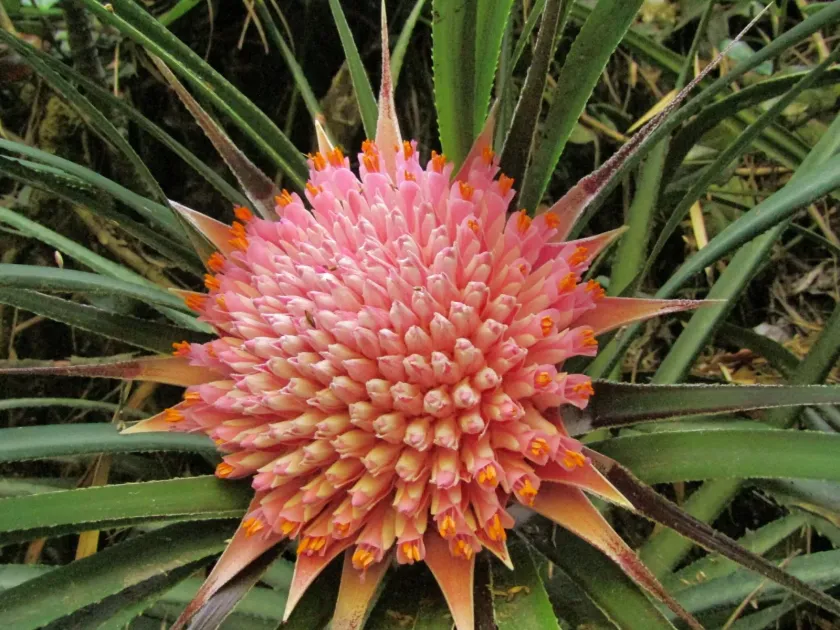
Ochagavia carnea is a distinctive perennial plant belonging to the Bromeliaceae family. It is recognized for its architectural leaf structure and vibrant, globe-shaped inflorescences that bloom in shades of pink.
The species is native to Chile, where it thrives in rocky coastal cliffs and harsh maritime environments. This natural habitat has made it a resilient plant capable of handling winds and poor soil conditions.
Botanically, it forms a dense, semi-succulent rosette of serrated leaves. This adaptation allows the plant to efficiently store moisture, making it relatively drought-tolerant compared to other bromeliads.
Regarding soil requirements, it is essential to provide a gritty, fast-draining medium. Using high-quality pumice or perlite mixed with light potting soil helps mimic its natural rocky environment and prevents root issues.
The plant demands high light exposure to maintain its form. If grown indoors, a south-facing window is ideal, while in mild climates, it can be planted outdoors in full sun to partial shade.
Main diseases and pests
The most significant threat to Ochagavia carnea is overwatering. Excessive moisture trapped in the soil or within the leaf rosette leads to rapid fungal decay and stem rot, which can be fatal.
Pests such as mealybugs and scale insects are common adversaries. These insects tend to hide between the tightly packed leaves of the rosette, making manual control quite difficult.
Poor air circulation in the growing environment significantly increases the risk of mold and bacterial infections. Maintaining a constant breeze or using fans in greenhouses is a proven preventive measure.
When infestation is noted, growers should utilize systemic insecticides or neem oil treatments specifically approved for succulent plants to prevent further spread of the pest population.
Proper sanitation, including the removal of dead leaves from the base, is critical to preventing pest colonization and ensuring the long-term health of the specimen.