
Pennywort
Obolaria virginica
Description
Growing requirements
Obolaria virginica, commonly known as Virginia pennywort, is a fascinating member of the Gentianaceae family. It is not an agricultural crop but rather a unique wild plant found primarily in the deciduous woodlands of the Eastern United States.
The plant grows in nutrient-rich, moist forest soils. It thrives in shaded environments, typically under a canopy of trees where humidity remains high and the soil temperature stays consistent throughout the early spring months when the plant is most active.
A primary biological feature of this species is its myco-heterotrophic nature. In its early stages, it relies heavily on a symbiotic relationship with mycorrhizal fungi of the genus Rhizoctonia, which provide essential nutrients that the plant cannot synthesize efficiently on its own.
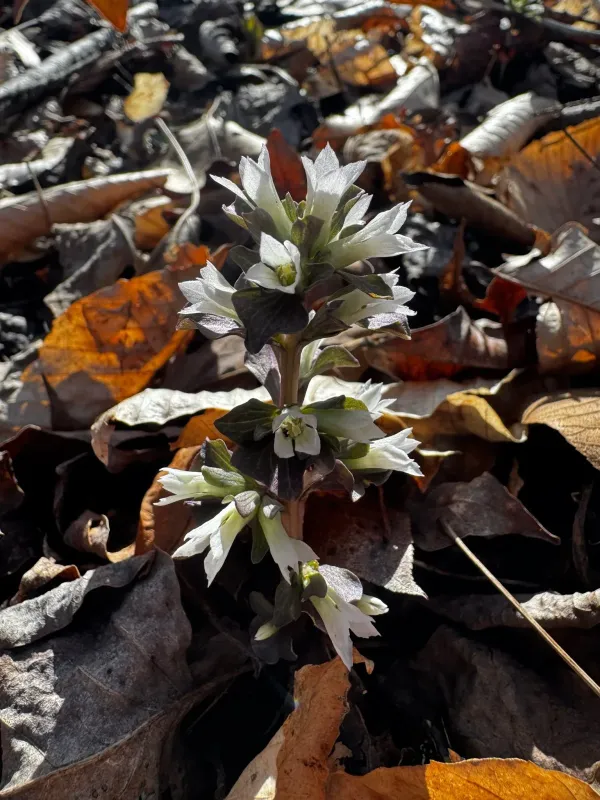
Morphologically, the plant is small, reaching a height of only a few inches. It features succulent-like stems and pale purple or violet flowers that emerge from the leaf axils. The foliage is often tinged with purple or green, depending on the exposure to light.
Successful growth requires a specific soil microbiome. Because of this specialized requirement, attempting to cultivate Virginia pennywort in gardens or greenhouses is rarely successful without maintaining the exact biological conditions found in its native forest habitat.
Main diseases and pests
Habitat loss represents the most significant threat to the survival of Obolaria virginica. Deforestation and land development for agriculture or construction destroy the delicate soil structures that support the necessary fungal partners for the plant.
Invasive plant species can quickly displace this slow-growing plant. When non-native species occupy forest floors, they often alter soil nutrient profiles, making it impossible for the symbiotic fungi to survive, which subsequently leads to the decline of the pennywort.
Environmental pollution, particularly agricultural runoff containing fertilizers, can disrupt the pH balance of the forest floor. Such chemical shifts are detrimental to the sensitive underground networks on which Obolaria virginica depends for survival.
While direct pest attacks are minimal in natural forest settings, the degradation of the plant's health due to microclimate changes makes it susceptible to opportunistic pathogens that would otherwise not affect a healthy individual in a stable ecosystem.
Conservation efforts currently focus on protecting established woodland populations rather than active management. There are no known commercial pest or disease control protocols for this species, as it is strictly treated as a vulnerable component of native biodiversity.