
Notobuxus macowanii
Notobuxus macowanii
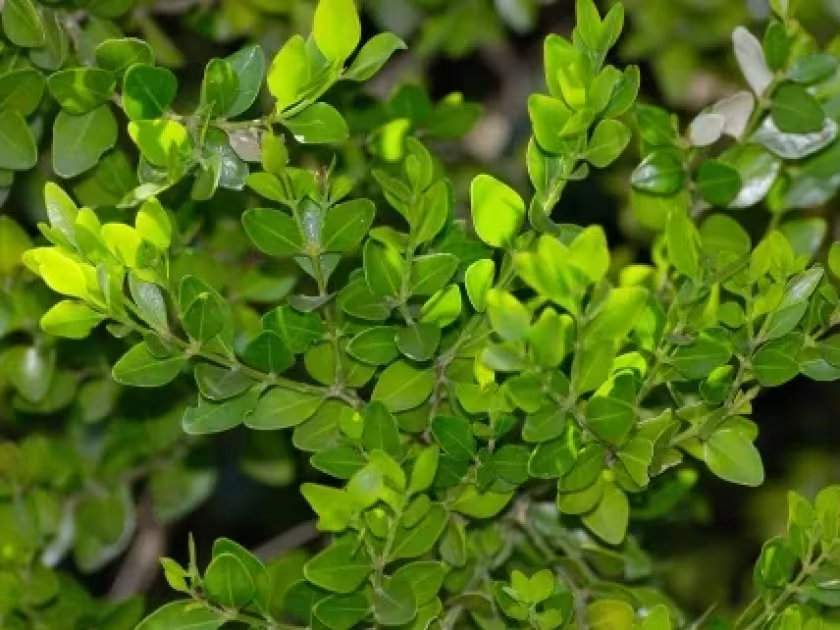
Description
Sowing dates
Propagation of this culture in nurseries is typically carried out vegetatively using the cutting method. The optimal time for harvesting semi-hardwood cuttings is at the end of summer or early autumn when shoots complete their main growth cycle.
Light substrates enriched with peat and perlite are used for rooting to ensure proper aeration of the root system. Cuttings are planted in protected ground or greenhouses, maintaining a stable humidity level to prevent tissue dehydration.
When propagating by seed, sowing is performed in autumn to allow for natural stratification in the soil. Seedlings emerge in spring, although this method requires significantly more time to produce a marketable plant compared to cutting propagation.
Young plants require transplanting and grow-out in nursery lines for 2–3 years. Providing sufficient spacing between rows is essential for the healthy development of both the root system and the crown structure.
Transplanting to a permanent location is best performed on overcast spring days when the soil has sufficiently warmed, but the risk of severe drought remains low.
Growing requirements
Notobuxus macowanii, belonging to the Buxaceae family, is native to South Africa. The plant prefers moderately moist, well-drained soils with a neutral to slightly acidic pH level.
The culture displays high adaptability to various light conditions, although optimal growth occurs in partial shade. Exposure to intense mid-day sun can lead to leaf yellowing and scorching.
Consistent irrigation is vital during dry spells to support normal growth. However, waterlogging in the root zone must be avoided as it can trigger severe root rot and decay.
The shrub is characterized by a slow growth rate, making it highly desirable for creating formal hedges and topiaries. It can withstand short periods of low temperatures but is not considered fully frost-hardy.
In open ground environments, it is important to provide shelter from cold, drying winds that can cause significant damage to the leathery leaves during the winter months.
Main diseases and pests
Major threats to this species include fungal infections often caused by poor agronomic practices. Among the most prevalent are powdery mildew and various types of leaf spot diseases.
Pests such as the box tree moth pose a significant risk to members of this family. Regular monitoring of the foliage allows for early detection of infestations and the prompt application of biological or chemical controls.
Aphids and spider mites may attack young shoots during periods of high heat and low humidity. Timely application of insecticides is necessary to curb the spread of these pest populations.
Root rot often results from excessive soil moisture combined with poor drainage. Prevention focuses on managing irrigation schedules and applying appropriate fungicides as a corrective measure.
To maintain the plant's health, regular sanitary pruning is recommended to remove any damaged, diseased, or dead wood from the structure.