
Nothosaerva brachiata
Nothosaerva brachiata
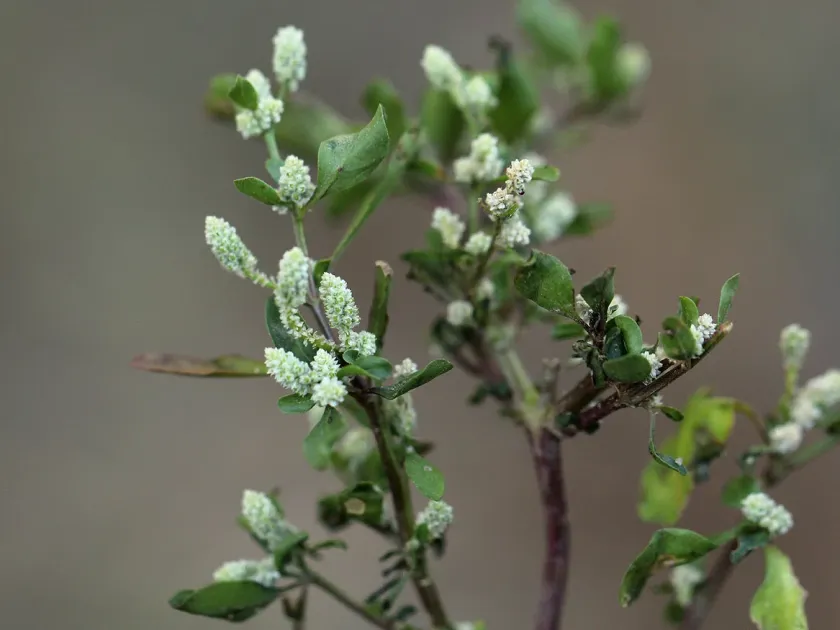
Description
Sowing dates
Nothosaerva brachiata is an annual herbaceous plant belonging to the Amaranthaceae family. Its biological cycle is triggered by the arrival of warmer weather and sufficient soil moisture levels.
The optimal sowing time requires well-tilled, warm soil, as this species is highly sensitive to cold conditions during the germination and early seedling establishment stages.
Seeds should be planted at a shallow depth to ensure sufficient oxygen availability and to prevent excessive energy consumption during the initial growth phase.
Fast development of the root system is a characteristic trait that helps the plant establish itself quickly in various environmental conditions.
Cultivation timing must align with the onset of the wet season in tropical or subtropical regions to maximize the vegetative growth period before maturity.
Growing requirements
The plant thrives in open, sunny locations with high solar radiation, which is essential for healthy branching and vigorous development of its foliage.
It prefers well-drained, sandy-loam soils with neutral or slightly alkaline pH levels, as it is sensitive to waterlogged conditions that can cause root decay.
While exhibiting moderate drought tolerance once established, the plant requires consistent moisture during the peak growing phase to ensure optimal biomass production.
Temperature requirements are strictly tropical, with the ideal range falling between 22 and 35 degrees Celsius for rapid metabolic processes.
Good air circulation is vital, as dense stands can quickly become breeding grounds for humidity-related pathogens if airflow is restricted between plants.
Main diseases and pests
Typical diseases include root rot and stem decay, which are often exacerbated by poor drainage or excessive soil moisture throughout the growth cycle.
Aphid infestations are the most common pest problem, causing significant damage by extracting sap and potentially transmitting viral diseases to the host plants.
Leaf-eating caterpillars may also pose a threat, particularly in regions with high pest pressure, requiring diligent field monitoring throughout the season.
Preventive measures include maintaining proper row spacing and ensuring soil fertility is managed to strengthen the plant against secondary infections.
Integrated pest management strategies are advised, emphasizing the removal of infected plant debris to prevent the buildup of soil-borne pathogens.