
Norrisia major
Norrisia major
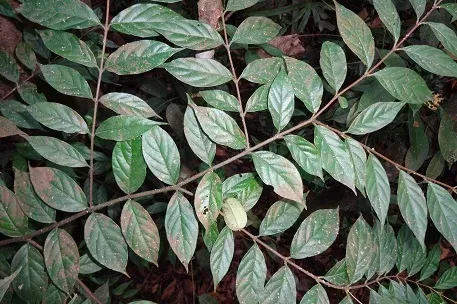
Description
Sowing dates
Norrisia major, being a marine organism, requires a specific approach to what we traditionally call sowing. The process involves placing specialized substrates into the marine environment to facilitate the settlement of spores.
The timing for deploying these substrates is critical and must align with the natural reproductive cycles of the species. Proper timing ensures that the surface is colonized by spores effectively, leading to high density.
Technically, the substrates are designed to withstand local sea currents, preventing the loss of settling material. Farmers use specific anchor points that maintain the substrates in the optimal water layer.
Pre-planting activities involve cleaning the artificial surfaces to ensure they are free of debris or competing epiphytes. A clean substrate is essential for the successful attachment and initial growth of the plant.
Monitoring the environmental conditions during the initial settlement phase is vital for professional agronomy. Experts track water temperature and nutrient flow to guarantee a successful start to the season.
Growing requirements
As a member of the Trochaceae family, Norrisia major demands specific environmental parameters. It thrives in pristine marine environments characterized by stable salinity and clear water conditions.
Temperature stability is a fundamental requirement for the healthy development of this marine crop. Excessive fluctuations in water temperature can disrupt metabolic processes and retard growth significantly.
Light penetration is another critical factor, as Norrisia major relies on photosynthesis for biomass production. Farms are usually situated at depths where light intensity is optimal for maximum development.
The crop requires areas with steady water movement. The constant flow ensures a continuous supply of essential nutrients and oxygen while preventing the accumulation of waste products around the plant.
The substrate or seabed must be stable, preferably composed of hard, rocky materials. Soft or muddy bottoms are unsuitable as they do not provide the necessary anchoring strength for this robust species.
Yield
The yield of Norrisia major is calculated based on the total biomass harvested from the allocated cultivation area. Efficient farming techniques allow for high density and consistent yields per square meter.
The growing season concludes when the plant reaches its peak nutritional value. Harvesting at this precise moment is essential to ensure the highest quality of the final product and to prevent natural degradation.
Climatic factors and water chemistry throughout the year play a significant role in determining final output. Agronomists employ management strategies to optimize these factors for better productivity.
Yield estimation is performed through periodic sampling and measuring growth rates in test plots. This data-driven approach allows for precise forecasting of harvest times and expected volumes.
Consistent results have demonstrated that with proper care and environmental management, Norrisia major is a highly viable and productive candidate for large-scale marine aquaculture projects.
Main diseases and pests
The primary threats include various marine herbivores, such as sea urchins and certain mollusks, which feed on the tissues. Managing these populations is a priority for farm security.
Infectious diseases, often triggered by bacterial outbreaks in stagnant water, pose a significant risk. These pathogens can cause tissue discoloration and the rapid breakdown of the plant structure.
Environmental pollution, such as runoff or industrial discharge, is extremely detrimental to the crop. Norrisia major is highly sensitive to changes in water quality, necessitating rigorous monitoring.
Competition from invasive species can lead to the displacement of the crop. Regular maintenance, including the removal of unwanted algae, is an integral part of the daily farm management routine.
- Physical damage from severe storm events
- Fungal infections and tissue rot
- Grazing pressure from marine invertebrates
Harvesting
Harvesting is performed using specialized mechanical equipment designed to minimize disturbance to the seabed. Precise cutting techniques ensure that the base remains intact for potential regrowth.
Post-harvest handling is crucial, requiring immediate cleaning to remove sand, salt, and accidental organisms. The raw material is then transported quickly to land-based processing facilities.
Drying and stabilization processes are carried out in controlled environments to preserve the bio-active components. High-quality standards must be met to ensure the end product's commercial value.
Logistical efficiency is key, as fresh biomass is highly susceptible to rapid fermentation if left untreated. Swift processing cycles are the hallmark of a successful marine farm operation.
The final product must pass quality control to confirm it is free from impurities and mechanical damage. Expert handling ensures that the harvested material maintains its integrity for industrial use.