
Nolletia chysocomoides
Nolletia chysocomoides
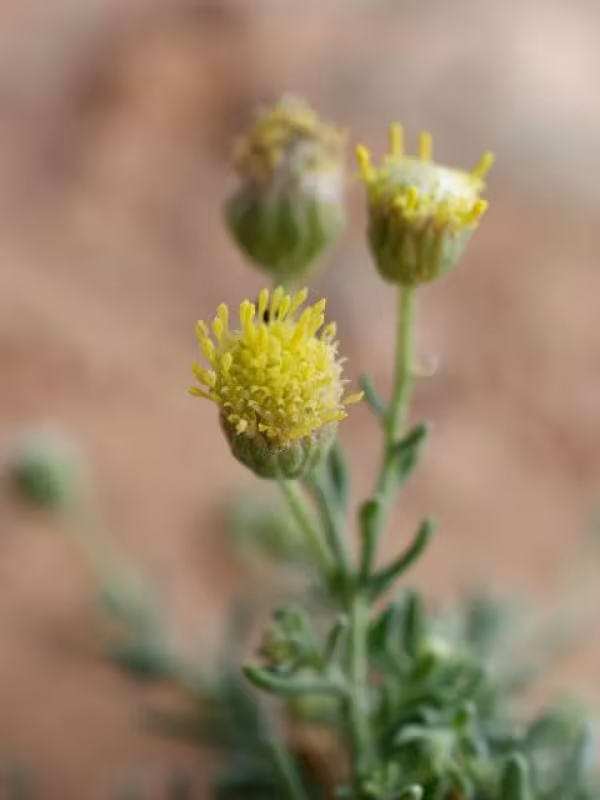
Description
Growing requirements
Nolletia chysocomoides is a perennial herbaceous plant belonging to the Asteraceae family. This species is native to the arid and semi-arid regions of Southern Africa, where it has evolved to thrive under harsh climatic conditions.
The plant is naturally adapted to nutrient-poor soils, specifically favoring sandy or rocky substrates that ensure efficient drainage. This botanical characteristic makes it highly resistant to the environmental stressors common in its native range.
Regarding climatic requirements, the species requires intense sunlight and a dry environment. It is not tolerant of waterlogged conditions or high humidity levels, which can lead to rapid deterioration of the plant structure and roots.
Agricultural management of Nolletia chysocomoides involves minimal intervention, provided the environmental conditions match its natural habitat. It is essential to ensure adequate soil aeration to promote long-term plant health.
The potential economic use of this crop is currently focused on land reclamation and restoration of degraded landscapes, where its hardiness can contribute to soil stabilization in arid environments.
Main diseases and pests
The primary threat to the health and development of Nolletia chysocomoides is the incidence of fungal root pathogens. These infections are almost exclusively linked to excessive soil moisture and poor drainage practices.
In terms of pests, the plant may occasionally face pressure from indigenous insects that feed on its vegetative biomass. However, these infestations are generally sporadic and limited to specific regions within its natural distribution.
Weed competition presents a significant challenge, especially during the initial stages of establishment. Without appropriate weed control, native opportunistic grasses can outcompete the young seedlings.
To maintain a healthy crop, growers must focus on preventing standing water. Implementing precise irrigation systems that mimic natural rainfall patterns is the most effective strategy to mitigate disease risks.
Since the species is not widely cultivated as a commercial crop, biological control methods and integrated pest management strategies are often based on local agricultural experience rather than commercial agrochemical products.