
Nervilia taiwaniana
Nervilia taiwaniana
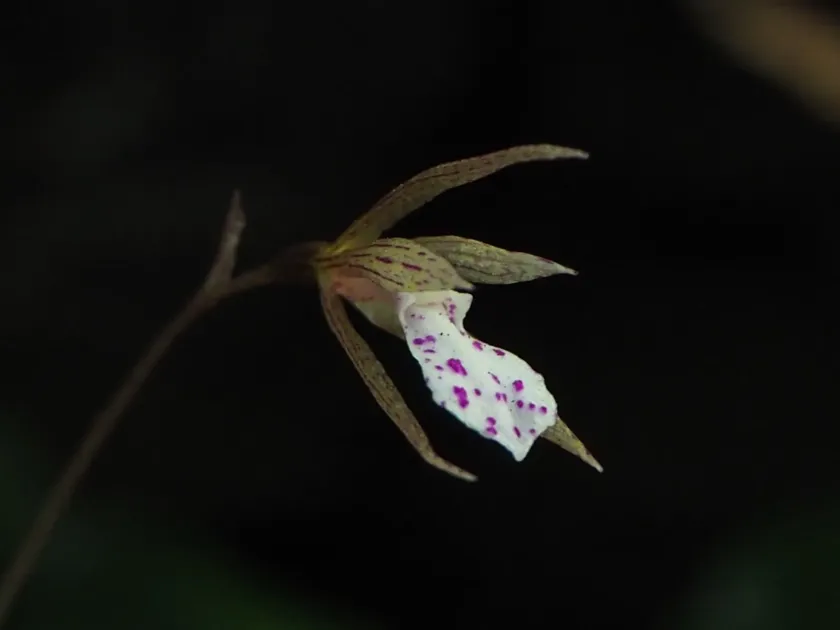
Description
Growing requirements
Nervilia taiwaniana is a rare terrestrial orchid species belonging to the Orchidaceae family. Native to East Asia, specifically Taiwan and parts of Japan, this species is highly regarded among botanical enthusiasts for its unique growth cycle and delicate appearance.
The botanical structure of this plant is distinct: it produces a single, often heart-shaped leaf that emerges from a subterranean tuber. The inflorescence is typically produced independently of the leaf, which is a characteristic trait of the genus Nervilia, making it a subject of great interest in orchid studies.
To successfully cultivate this species, growers must provide a loose, well-draining medium rich in leaf mold. The plant thrives in high-humidity environments and benefits from low-to-moderate light intensity, simulating the sheltered conditions of the forest floor.
Temperature management is critical for the survival of the tubers. During the growth phase, moderate temperatures are required, while the dormant season necessitates a dry and cooler environment to prevent the degradation of the delicate root system.
In terms of usage, Nervilia taiwaniana is primarily kept in specialized collections and botanical gardens. Due to its slow growth rate and sensitivity to environmental shifts, it is not currently considered a commercial agricultural crop but remains a valuable genetic resource.
Main diseases and pests
The primary threats to the health of Nervilia taiwaniana are pathogenic fungi that thrive in waterlogged soil. Constant moisture during the dormant period is highly detrimental and frequently results in the complete decay of the underground tuber.
Pests such as mites and mealybugs can infest the foliage, especially in conditions of poor ventilation. Careful monitoring and the use of mild, organic-based pest control methods are recommended to maintain the plant's health without damaging the sensitive leaf tissues.