
Nertera cunninghamii
Nertera cunninghamii
Description
Growing requirements
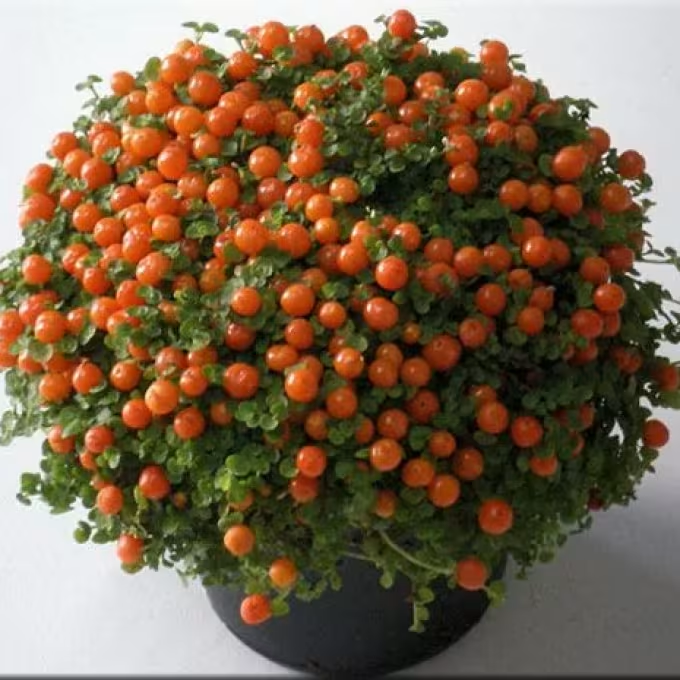
Nertera cunninghamii is a distinct species within the Rubiaceae family, widely recognized for its creeping growth habit and bright, berry-like drupes. As a small-sized ornamental plant, it serves as an excellent ground cover in humid, sheltered environments, providing aesthetic appeal throughout the fruiting season.
Originating from the cool, damp regions of New Zealand, this plant is naturally adapted to forest floors and mountain stream banks. This background dictates its primary requirement: a stable, high-humidity environment with moderate temperatures that avoids extreme thermal fluctuations.
Regarding soil requirements, the culture thrives in an acidic, well-draining, and peat-based medium that retains consistent moisture. Growers often utilize mixtures containing sphagnum moss or high-quality compost to ensure roots receive sufficient aeration while maintaining the necessary hydration level for growth.
Light management is crucial for the health of Nertera cunninghamii. The plant requires bright, filtered light to stimulate fruit production but will suffer significant physiological stress if exposed to direct sunlight, which can quickly desiccate its delicate foliage and stems.
Effective management includes maintaining a cool ambient temperature, ideally between 12°C and 18°C. Frequent misting or the use of humidity trays is standard practice to replicate its natural environment. During the dormant winter period, water intake should be slightly reduced, although the soil must never be allowed to dry out completely.
Main diseases and pests
The primary pests affecting Nertera cunninghamii are spider mites and mealybugs. These infestations typically thrive when the plant is kept in dry conditions or poorly ventilated indoor spaces. Regular monitoring of the foliage undersides is essential for early detection and prevention.
Fungal issues, specifically root rot, pose the greatest threat to plant health if drainage is inadequate. Overwatering, especially during cooler months, leads to stagnant conditions in the root zone, encouraging pathogenic fungi. Ensuring proper aeration and avoiding waterlogging are the most effective prophylactic measures.