
Neoveitchia storckii
Neoveitchia storckii
Description
Growing requirements
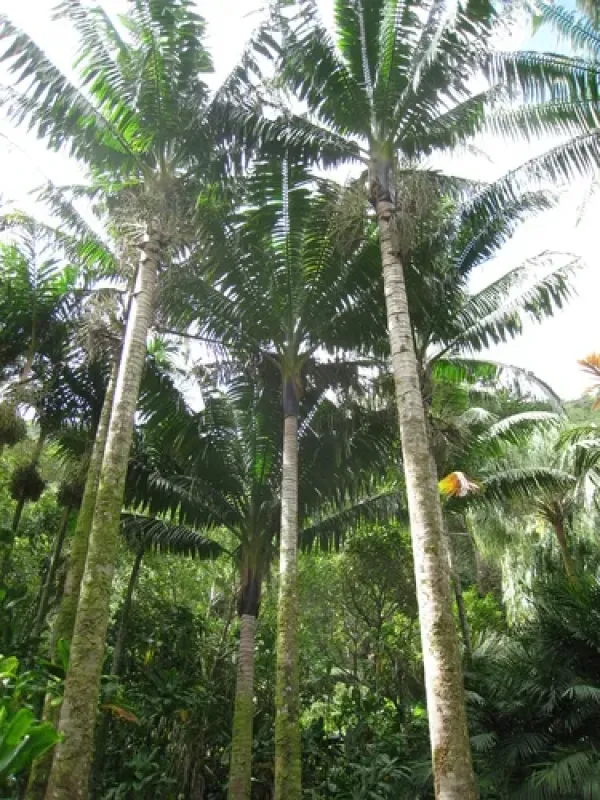
Neoveitchia storckii is a distinctive palm species belonging to the Arecaceae family. Endemic to the islands of Fiji, this rare plant is highly prized by botanists and collectors for its unique morphological structure and limited natural distribution.
Botanically, it is a single-stemmed palm that can reach significant heights. Its crown is composed of elegant pinnate leaves, which create a sophisticated and airy aesthetic suitable for specific tropical landscaping designs.
Climate requirements dictate that this species must be grown in tropical conditions with high humidity levels and constant temperatures. It is not frost-tolerant and requires protected environments if cultivated in non-tropical regions.
Soil quality is paramount for the health of Neoveitchia storckii. The palm thrives in rich, well-draining soil mixtures that retain sufficient moisture while allowing adequate aeration for the root system to prevent anaerobic conditions.
The primary use of this palm is ornamental. Due to its stature and exotic foliage, it is often utilized as a specimen plant in high-end botanical gardens and tropical luxury landscapes.
Main diseases and pests
Neoveitchia storckii is susceptible to common palm pests such as scale insects and mealybugs, which tend to infest the leaf axils and the undersides of foliage, causing significant stress to the plant.
Fungal pathogens represent a severe threat when the palm is kept in conditions of poor air circulation or excessive moisture, often leading to leaf spotting and potential crown rot.
Effective pest management involves integrated control strategies, including the manual removal of insects and the application of horticultural oils or systemic insecticides when necessary.
Environmental stress, such as sudden temperature drops or dry indoor air, can lead to tip necrosis on the leaflets, which compromises the overall ornamental value of the specimen.
Consistent monitoring and maintaining optimal environmental parameters are the best preventative measures against the development of diseases and pest outbreaks in this delicate palm species.