
Neoveitchia brunnea
Neoveitchia brunnea
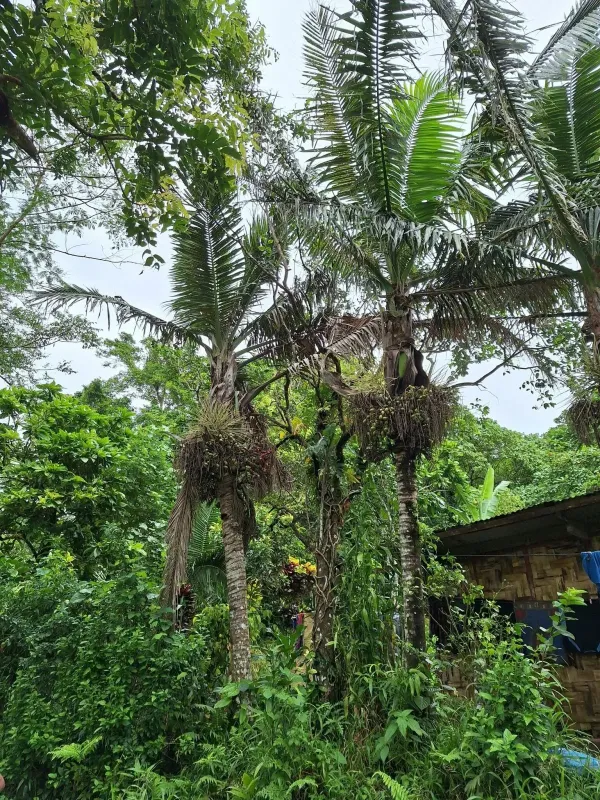
Description
Sowing dates
Propagation of this palm is mainly achieved through seeds. Freshly harvested seeds have high germination energy but require a stable temperature environment ranging from 28 to 32 degrees Celsius.
Sowing should be performed in a light, well-drained substrate consisting of a mixture of sand, perlite, and peat. It is critical to avoid waterlogging the soil, which can easily cause the unsprouted embryo to rot.
The germination process can take several months, so containers must be kept in high humidity and shaded from direct sunlight to ensure successful development.
Young seedlings require careful transplanting as their root system develops. Using individual containers helps prevent root trauma during the transition to a permanent location.
The optimal time to begin cultivation in controlled environments is the onset of the peak solar activity period, which promotes the rapid development of the first true leaf.
Growing requirements
Neoveitchia brunnea belongs to the Arecaceae family and is an endemic species native to the islands of Vanuatu. This thermophilic crop cannot tolerate even brief temperature drops below critical levels.
The plant requires a humid tropical climate to thrive. It prefers locations protected from strong, desiccating winds that could mechanically damage its large, pinnate leaves.
The soil composition must be rich in organic matter with a slightly acidic to neutral pH. Providing excellent drainage is essential, as water stagnation in the root zone is lethal for this specific species.
Lighting for the Neoveitchia should be bright but diffused. Direct midday sun during the juvenile stage can cause leaf scorching, so growing it under the canopy of larger trees is a common practice.
Agronomic management includes regular applications of complex mineral fertilizers containing micronutrients during the active growing season to stimulate growth and maintain vibrant foliage color.
Main diseases and pests
The primary threats to this crop are sap-sucking pests such as mealybugs and scale insects, which can proliferate rapidly in protected environments.
When watering schedules are neglected and air circulation is poor, the plant becomes susceptible to fungal infections that cause root neck rot and leaf spot.
Root rots caused by Phytophthora pathogens frequently occur due to chronic waterlogging of the substrate, requiring soil replacement and the use of systemic fungicides.
In its natural habitat, weevils can cause significant damage by attacking the growth point, which is often fatal for single-stemmed palms.
Disease prevention involves regular plant inspection, maintaining sanitation around the base of the trunk, and promptly removing any dead or decaying plant parts.