
Neomoorea wallisii
Neomoorea wallisii
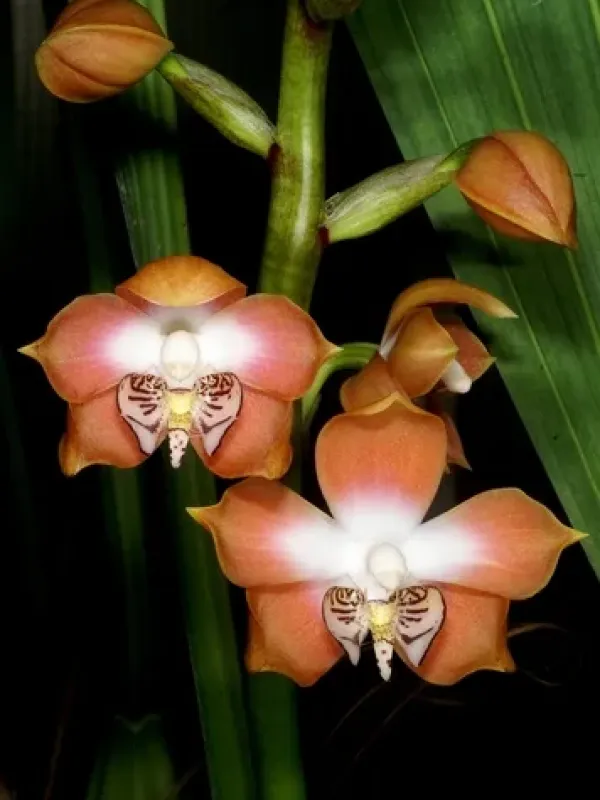
Description
Growing requirements
Neomoorea wallisii is a monotypic genus in the Orchidaceae family, native to the humid tropical forests of Colombia and Panama. This epiphytic plant is highly prized in horticultural circles for its impressive size and long-lasting, fragrant floral displays.
The plant thrives in high humidity environments, ideally ranging between 70% and 80%. It requires consistent moisture levels without waterlogging, necessitating a very specific potting mix composed of coarse bark, perlite, and sphagnum moss to ensure excellent drainage.
Optimal temperatures for this species are warm, typically between 20°C and 26°C. A nocturnal temperature drop of about 5-7 degrees is essential for healthy plant metabolism and successful blooming cycles, mimicking the natural diurnal fluctuations of its tropical habitat.
Light requirements for Neomoorea wallisii involve bright, filtered light. Exposure to direct afternoon sun should be strictly avoided as it can cause chlorophyll degradation and severe leaf burns, significantly weakening the plant's structural integrity.
Fertilization should be consistent during the growing season using a balanced orchid-specific fertilizer diluted to half strength. Flushing the substrate with clean, mineral-free water periodically helps prevent the buildup of salts that can damage sensitive root tips.
Main diseases and pests
Fungal and bacterial pathogens represent the primary threat to Neomoorea wallisii, particularly when air circulation is inadequate. High humidity coupled with stagnant air provides the perfect conditions for rot to colonize the base of the pseudobulbs.
Pests such as spider mites, aphids, and scale insects frequently target this orchid, especially in indoor environments where natural predators are absent. These insects weaken the plant by extracting essential sap, leading to stunted growth and yellowing foliage.
Soft scale insects are particularly insidious, often hiding under the dry sheaths of the pseudobulbs, making them difficult to detect until a significant infestation has already occurred. Manual removal and targeted insecticidal treatment are standard management practices.
Root rot is often the result of improper watering cycles, where the substrate remains soggy for too long. If roots become compromised, the plant may lose its ability to uptake nutrients, leading to dehydration and eventual collapse of the entire specimen.
To mitigate these risks, growers should prioritize proactive hygiene, such as using sterilized potting tools and maintaining adequate spacing between plants. Early detection through regular monitoring is the most effective strategy for managing potential health issues in this species.