
Neocarya macrophylla
Neocarya macrophylla
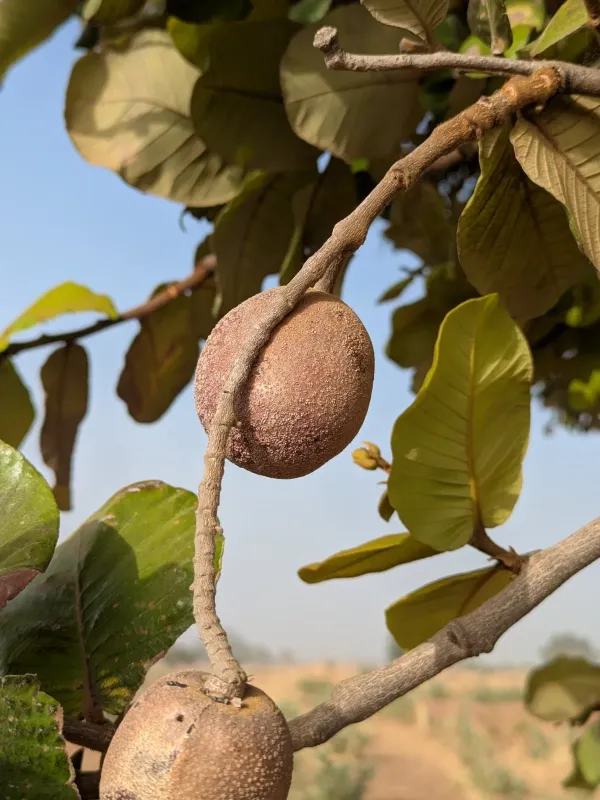
Description
Sowing dates
Neocarya macrophylla is primarily propagated from seeds, which possess a hard endocarp that requires careful handling to ensure successful germination. Pre-treatment methods, such as mechanical scarification or soaking in warm water, are essential to break dormancy and speed up the emergence of seedlings.
The seeds should be planted in well-draining, nutrient-rich soil media to prevent fungal infections during the vulnerable early stages of growth. Maintaining a steady temperature between 25 and 30 degrees Celsius is crucial for consistent sprouting and healthy initial development.
As the seedlings emerge, they require partial shade to protect them from direct, intense sunlight that can damage delicate tissues. Gradually acclimating the young plants to full sun exposure over several weeks is a best practice for strong, robust development before transplanting.
The ideal time for transplanting into the field is at the onset of the rainy season, ensuring the young trees have sufficient moisture to establish their root systems before the onset of the dry season. Spacing should be ample to allow for the tree's eventual expansive canopy.
Monitoring the growth of seedlings is vital, as the species is known for slow early-stage development. Proper irrigation and weeding around the base of the plant are necessary to minimize competition for resources during the establishment phase.
Growing requirements
Native to tropical Africa, this species thrives in climates characterized by consistently high temperatures throughout the year. It belongs to the Chrysobalanaceae family and is well-adapted to the environmental pressures of its natural savanna and forest habitats.
Neocarya macrophylla prefers well-drained soil types, including sandy loams, and is notably sensitive to waterlogged conditions. Ensuring excellent drainage is a top priority for agricultural planning to avoid root rot and maintain the long-term health of the trees.
The tree exhibits impressive resilience to periodic droughts, making it an excellent candidate for cultivation in regions with unpredictable rainfall patterns. However, optimal yield in managed orchards is achieved when irrigation is used to mitigate extreme water stress.
Adequate sunlight is fundamental for the tree’s photosynthetic activity and energy production. Planting in open areas with minimal shading ensures that the tree achieves its full potential in growth and fruit production, as shade drastically reduces metabolic vigor.
The species is generally adaptable to a range of soil pH levels, but performs best in slightly acidic to neutral soils. Periodic fertilization with organic matter can significantly enhance growth rates and improve the overall structural integrity of the trees.
Yield
The tree begins to produce fruit a few years after planting, with yields gradually increasing as the tree matures. Mature specimens can produce significant volumes of drupes, which are highly valued for their nutritious kernels and flavorful fleshy pulp.
The fruit's economic importance lies primarily in its oil-rich kernel, which is processed for various nutritional and industrial uses. Maximizing yield involves careful management of tree structure through judicious pruning to encourage better airflow and sunlight penetration to inner branches.
Harvesting is an integral part of the production cycle and requires consistent attention during the ripening season. The fruits, often referred to as gingerbread plums, should be collected promptly once they drop to the ground to ensure high quality and prevent soil-borne contaminants.
With proper agronomic practices, including soil enrichment and disease management, the tree can sustain profitable yields for many decades. This longevity makes it a reliable asset for small-scale farming and rural economic development in its native range.
Processing the harvest involves systematic cleaning and drying of the seeds. This step is critical for ensuring the longevity of the product and maintaining the quality of the oil extracted from the kernels, which is a major value-added component of the crop.
Main diseases and pests
Due to the chemical composition of its tissues, including high levels of tannins, Neocarya macrophylla possesses significant natural resistance to many common tropical pests. This characteristic makes it a relatively low-maintenance crop compared to more sensitive varieties.
Fungal pathogens targeting the roots are the primary concern for agricultural operations, especially if irrigation is excessive or drainage is insufficient. Good horticultural hygiene, including clearing debris from the root zone, helps in preventing the buildup of these pathogens.
Leaf-eating insects and mites can pose minor challenges during the dry season when the tree’s growth is stressed. Monitoring programs and the use of integrated pest management strategies are sufficient to keep these populations below the economic threshold of damage.
Protecting the tree bark from mechanical injury and rodent activity is essential to prevent secondary infections. Standard protective measures, such as base wrapping for young trees, are effective in maintaining the long-term health of the orchard.
A proactive approach to disease management, coupled with optimal site selection, ensures that the orchard remains healthy and productive. Regularly assessing the canopy and stem integrity is recommended for effective management of this crop.
Harvesting
The harvesting process is seasonal and relies on observing the fruit's physical changes. Once the exterior of the fruit reaches a specific color and texture, indicating maturity, the collection process begins to minimize losses from over-ripening or pest attack.
Field crews typically collect fruits from the ground under the canopy. Because the fruits are perishable, it is essential to move them to a drying area as quickly as possible to prevent fermentation or fungal colonization caused by ground moisture.
After collection, the fleshy outer layer is removed to expose the woody stone containing the kernel. Drying these stones in the sun is a traditional and effective method to reach the moisture content required for safe storage.
Properly dried seeds can be stored in clean, aerated containers for extended periods without degradation. This storage stability allows farmers to market their produce when prices are favorable or transport it to larger processing centers.
Value-added processing, such as oil extraction, is conducted using various techniques ranging from manual crushing to mechanized hydraulic pressing. The quality of the final product is directly tied to the timeliness and care taken during the harvest and drying phases.