
Neocallitropsis pancheri
Neocallitropsis pancheri
Description
Growing requirements
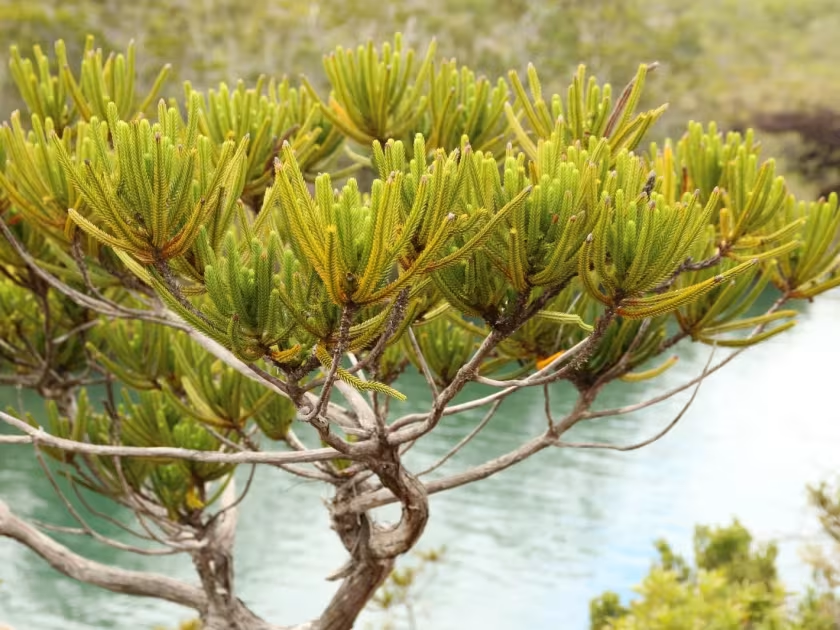
Neocallitropsis pancheri is a monotypic genus in the Cupressaceae family, endemic to the island of New Caledonia. This conifer serves as a vital subject for research into rare and endangered plant species that require highly specific ecological niches.
The plant is uniquely adapted to serpentinite-derived soils, which are known for high concentrations of heavy metals and low levels of essential nutrients. In cultivation, replicating these soil conditions is the most significant hurdle for agronomists and horticulturists.
Regarding climate, this species demands a stable tropical environment with high atmospheric humidity and protection from direct, scorching solar radiation. It thrives in mountain regions where the temperature remains relatively consistent throughout the year.
Botanically, it is recognized by its dense, scale-like leaves and slow growth habit. Its wood is known for its durability and scent, although the species is now protected, and its use for timber is strictly prohibited in most jurisdictions to prevent extinction.
Cultivation attempts are largely restricted to specialized botanical collections. Providing a substrate with excellent drainage is crucial to mimic the natural mountain slopes where the species persists in its native habitat.
Main diseases and pests
The primary threat to Neocallitropsis pancheri is habitat loss driven by forest fires and land development. The limited distribution makes the species extremely susceptible to catastrophic events and local ecological shifts.
In nursery settings, the species is prone to root rot caused by poor soil aeration and water stagnation. Once infected, the slow metabolic rate of the tree makes recovery highly unlikely, necessitating rigorous preventive irrigation management.
While specific pest profiles for this species are limited, it can be susceptible to common conifer pests such as scale insects or mites. These pests can rapidly overwhelm an already stressed specimen, leading to irreversible needle chlorosis.
Fungal pathogens represent another significant risk, often introduced through contaminated water or substandard growing media. Strict hygiene protocols, including the sterilization of tools and soil, are required to keep the plant healthy.
Ongoing conservation strategies involve seed banking and controlled micro-propagation. By creating a genetic reserve, botanists hope to safeguard the species against total collapse if its native habitat is further compromised by climate change.