
Five-spot
Nemophila maculata Benth. ex Lindl.
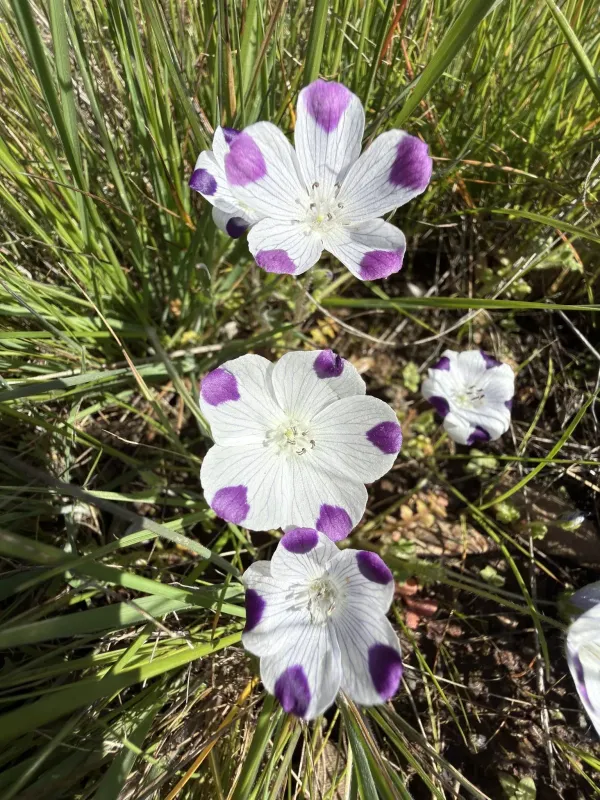
Description
Sowing dates
Nemophila maculata, commonly known as Five-spot, is an annual plant belonging to the Boraginaceae family, prized for its unique white petals with distinct purple spots.
The seeds should be sown directly into the garden soil in early spring or autumn, depending on the local climate, as the plant prefers cooler growing conditions.
For optimal germination, seeds require a shallow depth of approximately 0.5 cm; since they are light-sensitive, they should not be buried too deeply in the soil.
Proper seed spacing is essential, as the plant forms a low, spreading habit that makes it an excellent choice for ground covers or rock gardens.
After sowing, keep the soil consistently moist until the first true leaves emerge, which typically occurs within two weeks under favorable weather conditions.
Growing requirements
This species thrives in sunny to partially shaded locations, particularly in regions with hot summers where filtered light prevents the foliage from drying out.
It prefers well-drained, fertile soil. Avoid heavy clay or waterlogged soils, as the roots are susceptible to rotting when exposed to excessive moisture for long periods.
Moderate watering is necessary to support the flowering process; however, the plant is relatively resilient if the soil is allowed to dry slightly between irrigation sessions.
Fertilizer application should be minimal, as high nitrogen levels often promote leaf growth at the expense of the signature spotted blossoms.
Nemophila maculata is best suited for cooler climates, making it a perfect candidate for spring landscaping in temperate zones.
Main diseases and pests
Slugs and snails are the most significant threats to young seedlings, often consuming foliage overnight, especially in garden environments with mulch or debris.
Fungal diseases, such as gray mold, may develop if the plants are crowded and air circulation is restricted, particularly during periods of high humidity.
Aphids can occasionally infest the stems, weakening the plant and potentially transmitting viral issues that affect flower development and color quality.
Maintaining clear garden borders and ensuring adequate spacing between individual plants will significantly reduce the risk of disease and pest outbreaks.
- Pruning or thinning crowded areas to improve airflow.
- Monitoring for early signs of aphid colonies on flower buds.
- Using physical barriers to protect plants from gastropods.