
Matgrass
Nardus stricta
Description
Growing requirements
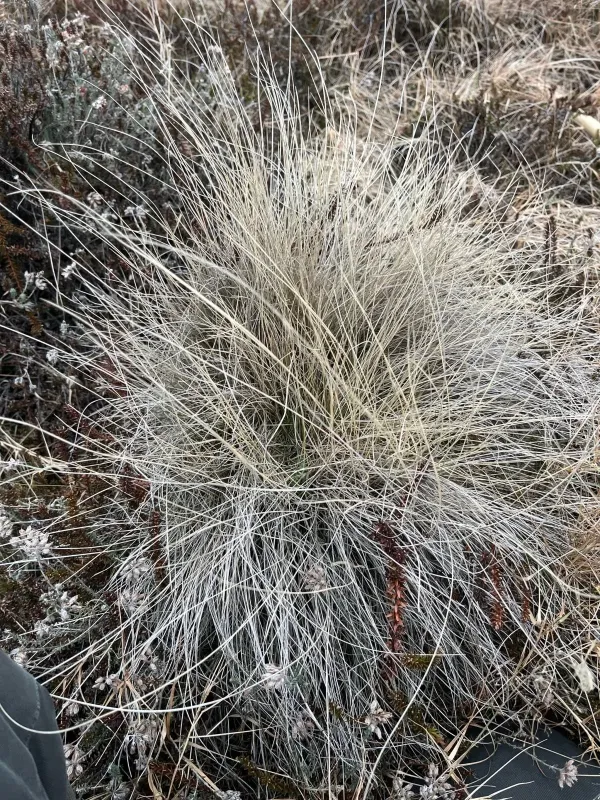
Matgrass (Nardus stricta) is a perennial grass species belonging to the Poaceae family. It is widely recognized in agriculture not as a crop, but as an invasive weed that significantly deteriorates the quality of pastures and forage lands.
This species thrives in nutrient-poor, acidic, and moist soils. It is highly adapted to cold climates and is frequently found in mountain ranges and northern temperate regions, where it forms dense, tussock-like mats that are difficult to eradicate.
Botanically, Nardus stricta is defined by its stiff, bristle-like leaves. These leaves contain high levels of silica, which makes the plant unpalatable and abrasive to the digestive systems of livestock, leading to very low feed intake levels.
The plant has a robust root system allowing it to endure harsh conditions where other grass species would fail. It is particularly successful in colonizing degraded land where soil fertility is low or where excessive grazing has suppressed more palatable flora.
In terms of agricultural utility, Matgrass has almost no value as fodder. Its presence is usually an indicator of poor pasture management, specifically soil acidification and overgrazing, which allows the plant to outcompete desired species.
Main diseases and pests
Matgrass is generally resistant to many of the common diseases that affect cultivated cereals. However, it can occasionally serve as a host for rust fungi and ergot, particularly in environments with high humidity and stagnant air circulation.
Pests that affect Matgrass include various species of grass-feeding insects, such as stem borers or grass flies. Nevertheless, these rarely cause significant population declines for the plant, as it is highly resilient and naturally aggressive in its growth.
The primary threat posed by Matgrass is to the surrounding vegetation and the agricultural potential of the land. Once established, it creates a monoculture that drastically reduces the grazing capacity of a field, leading to economic losses.
Control methods focus on environmental modification rather than direct pesticide application. Liming the soil to increase pH levels is the most effective agronomic approach, as it creates an environment less favorable for Nardus stricta growth.
Restoration of infested land requires intensive management, including mechanical removal of the dense tussocks, improved fertilization regimes to support competitive grass species, and careful rotational grazing to prevent the re-emergence of the weed.