
Myrcianthes pungens
Myrcianthes pungens
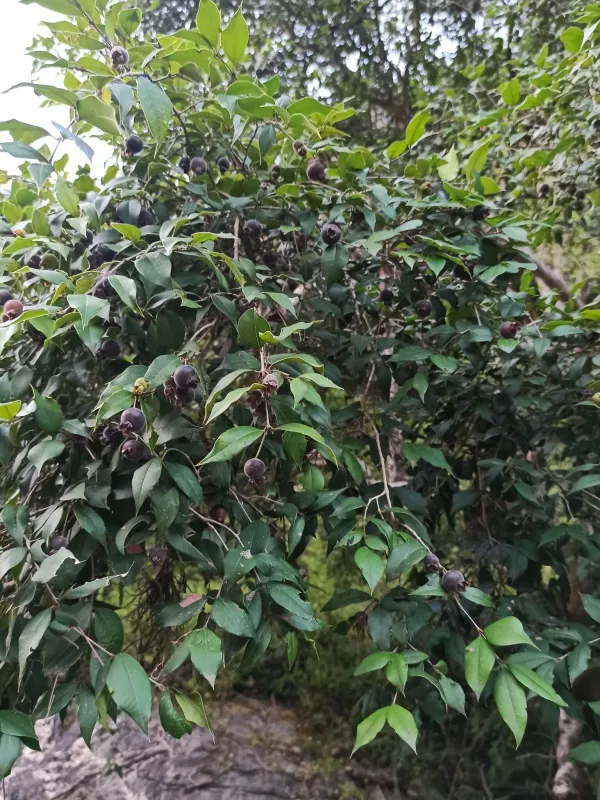
Description
Growing requirements
Myrcianthes pungens, commonly referred to as guabira, is an evergreen tree or shrub belonging to the Myrtaceae family. It is highly valued for its dense foliage and aromatic fruit, reaching significant heights in native tropical environments.
The plant is native to South America, specifically in regions of Brazil, Argentina, and Paraguay. It thrives in subtropical climates, requiring protection from severe frosts, although mature specimens can withstand mild, short-term cold temperatures.
Cultivation requires well-drained, fertile soil with a slightly acidic to neutral pH level. Proper site selection is crucial, as the plant demands significant sunlight to achieve optimal fruit yield and tree structure.
Agricultural management involves regular maintenance, especially during the establishment phase, ensuring the plant receives adequate water without waterlogging. Mulching is recommended to maintain soil moisture and suppress weed growth around the base.
Beyond its culinary utility, the plant is frequently used in landscaping due to its evergreen nature and attractive blossoms. The fruit is popular for juices and local preserves, representing an important minor crop in its home range.
Main diseases and pests
The primary threats to Myrcianthes pungens include fungal pathogens related to excessive soil humidity. Root rot is a common issue if drainage systems are inadequate, emphasizing the need for porous soil.
Insect pests, such as scale insects and mealybugs, are frequently observed on foliage and young shoots. Integrated pest management strategies are often necessary to keep populations under control without harming beneficial insects.
Fruit flies can impact the quality of the harvest during the ripening stage. Implementing protective measures such as fruit bagging or specific pheromone traps can effectively mitigate these losses in commercial orchards.
Regular sanitation, including the removal of dead or dying branches, helps maintain airflow through the canopy. This practice is essential for preventing the spread of diseases and keeping the tree structure robust.
Soil health management, including the application of organic amendments, supports the tree's natural resilience. A well-nourished plant is consistently better at defending itself against minor pest and pathogen outbreaks.