
Myrcianthes fragrans
Myrcianthes fragrans
Description
Growing requirements
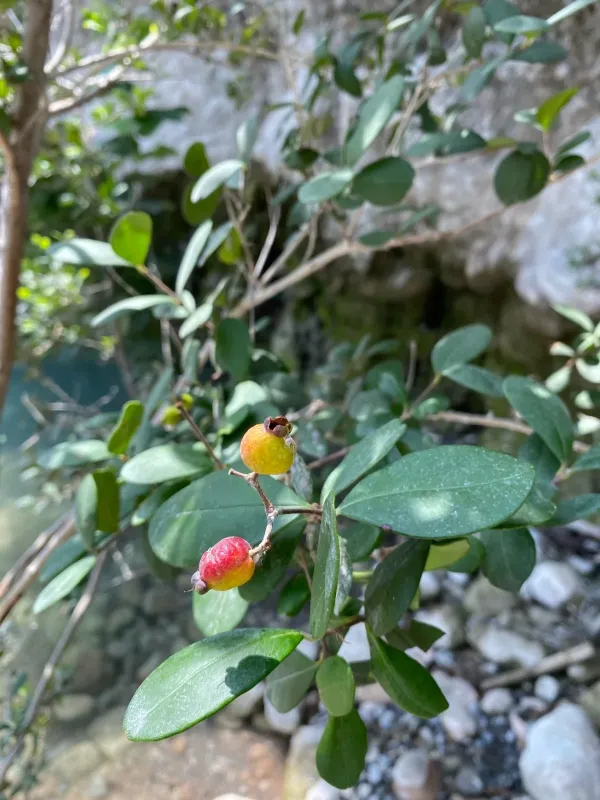
Myrcianthes fragrans, commonly known as the spiceberry or nakedwood, is a hardy evergreen shrub belonging to the Myrtaceae family. It is highly valued for its aromatic foliage, white flowers, and edible red berries.
The plant is native to the Caribbean, Mexico, and Florida. It thrives in tropical and subtropical climates, preferring sunny locations, although it shows remarkable tolerance to partial shade in domestic garden settings.
Cultivation requires well-drained, fertile soil. It is particularly well-suited to calcareous or rocky soils, which are typical of its natural habitat. The plant does not tolerate waterlogging, so proper site selection or raised bed construction is essential.
Temperature management is critical, as the plant is sensitive to severe frosts. It performs best in environments where temperatures remain consistently above 15 degrees Celsius throughout the year.
Maintenance involves routine watering during dry spells and light pruning to maintain a desired shape. The plant responds well to organic fertilization, which supports vigorous growth and consistent fruit set during the production season.
Yield
The fruit of Myrcianthes fragrans is a small, succulent berry with a distinct musky-sweet flavor. These berries are commonly used in local culinary traditions for jellies, jams, and as a decorative garnish for desserts.
The wood of the tree is extremely dense and durable. In regions where it grows abundantly, it is utilized for fine woodworking, tool handles, and small-scale timber production due to its fine grain and strength.
Essential oils extracted from the leaves are used in the fragrance and personal care industries. The aromatic profile of the leaves makes the plant a valuable resource for natural aromatherapy and essential oil production.
The shrub serves as an important honey plant, supporting local pollinator populations. Its flowers attract bees, butterflies, and birds, which contributes to the biodiversity of the agricultural or garden landscape.
Annual yields are influenced by tree maturity and environmental stability. Properly managed, a plantation can provide a consistent seasonal harvest, supporting small-scale commercial or homestead operations.
Main diseases and pests
Common pests affecting Myrcianthes fragrans include scale insects, mealybugs, and aphids. These sap-sucking insects can stunt growth and cause leaf yellowing if they are not managed through regular monitoring.
Fungal issues, particularly leaf spot diseases, can occur if the canopy remains too dense or if irrigation practices lead to excessive foliage moisture. Maintaining airflow through pruning is an effective cultural control.
Nutrient deficiencies, specifically chlorosis caused by iron or magnesium lock-up in highly alkaline soils, can be a recurring issue. Corrective fertilization using chelated micro-nutrients helps restore foliage health.
Integrated Pest Management (IPM) is recommended, favoring biological controls such as predatory mites or ladybugs to manage pest populations without disrupting the local ecological balance.
Strict hygiene protocols, including the sterilization of pruning shears, are necessary to prevent the mechanical transmission of viral or bacterial pathogens between different trees in the nursery or orchard.