
Myagrum perfoliatum
Myagrum perfoliatum L.
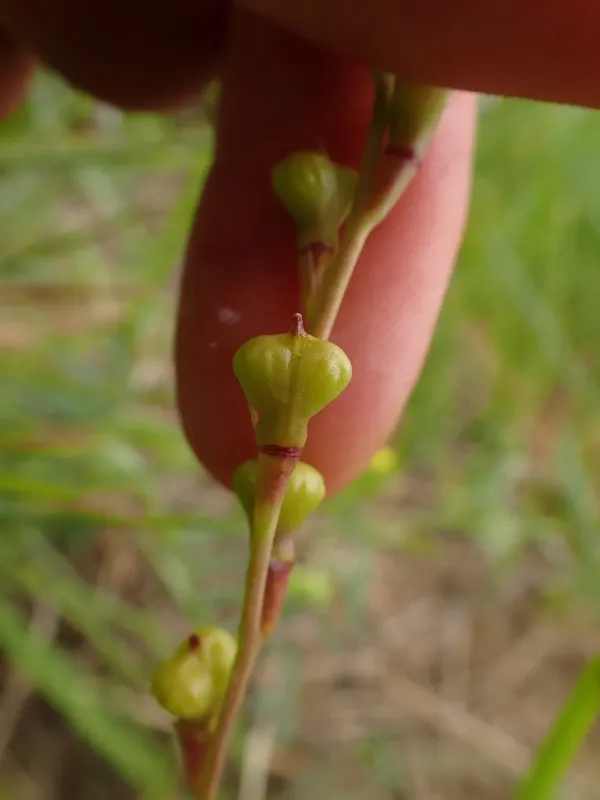
Description
Sowing dates
Myagrum perfoliatum, commonly known as hare's ear mustard, is an annual herbaceous plant belonging to the Brassicaceae family.
It is best sown in early spring, as soon as soil conditions allow for proper tillage, usually when temperatures reach 5–8 degrees Celsius.
The seeds possess high germination energy, making them well-suited for direct seeding in prepared agricultural soils.
A sowing depth of 1–2 cm is recommended to ensure optimal emergence and initial root development for the growing plants.
Consistent row spacing is vital for mechanical weed control and ensuring adequate light penetration as the plants progress through their life cycle.
Growing requirements
The crop thrives in sunny, open locations and is highly sensitive to shading, which can significantly reduce biomass production.
It is remarkably adaptable to various soil types, showing tolerance to saline or calcareous conditions that other crops might struggle with.
Hare's ear mustard is highly drought-tolerant, an essential trait for regions experiencing irregular rainfall patterns during the vegetative season.
It prefers neutral to slightly alkaline soil pH; highly acidic environments should be treated with lime to improve yields.
The plant is known for its cold hardiness, allowing it to survive light late-spring frosts without permanent damage to its structure.
Yield
Yield potential of Myagrum perfoliatum depends heavily on spring moisture levels and the prevention of competitive weed pressure.
As a prolific seed producer, a single plant can produce thousands of seeds, contributing to high potential returns per hectare.
Industrial cultivation aims at harvesting oil-rich seeds, which have potential applications in technical manufacturing and biofuel sectors.
Expected yields range between 1.0 and 1.6 tonnes per hectare under favorable management practices and moderate fertilization.
Careful management during the maturation phase is necessary to prevent premature seed loss caused by pod shattering in the wind.
Main diseases and pests
Like many members of the Brassicaceae family, the plant is susceptible to attack by flea beetles during the tender seedling stage.
The pollen beetle can pose a risk during the flowering phase, necessitating regular scouting to determine the need for chemical intervention.
Fungal diseases such as downy mildew and alternaria leaf spot may occur, especially during seasons with high humidity and limited air circulation.
Preventative crop rotation is the primary strategy to reduce soil-borne pathogen levels and minimize the risk of recurring pest pressure.
Using integrated pest management (IPM) techniques is highly recommended to protect crop health while maintaining environmental sustainability.
Harvesting
Harvesting is typically carried out using direct combines when the seed pods have reached full maturity and turned brown.
Timely harvest is critical, as delays can lead to significant shattering losses because the pods open easily upon drying.
Combines should be adjusted for low drum speeds to ensure seeds are cleaned effectively without sustaining mechanical damage.
Post-harvest cleaning is essential to remove chaff, which is prone to moisture retention and could lead to storage issues like mold.
Dried seeds should be stored in ventilated containers at moisture levels below 12% to preserve oil quality and long-term viability.