
Mussaenda
Mussaenda erythrophylla Schumach.
Description
Growing requirements
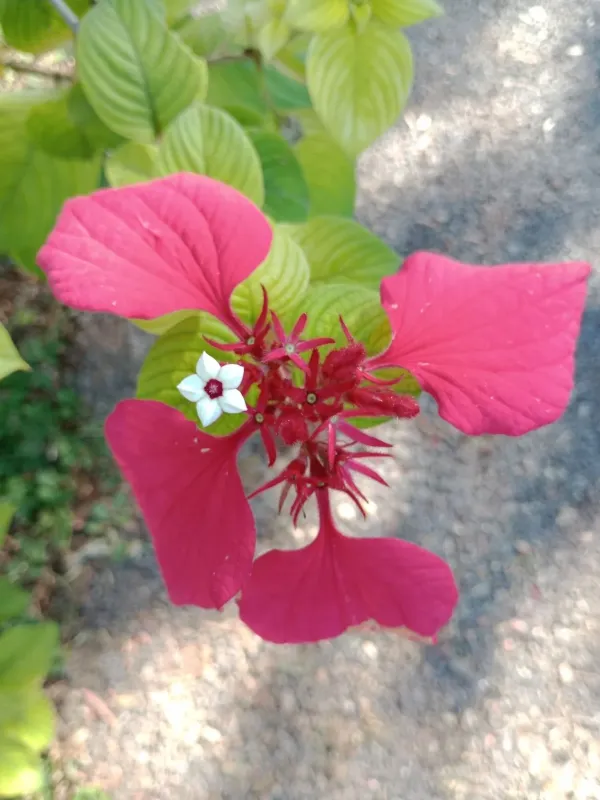
Mussaenda erythrophylla, commonly known as Red Mussaenda or Ashanti blood, is a decorative evergreen shrub belonging to the Rubiaceae family. Native to tropical Western and Central Africa, it is highly valued for its striking red, enlarged sepals.
The crop thrives in tropical and subtropical climates where temperatures remain consistently between 20°C and 30°C. It is frost-sensitive and requires sheltered conditions in greenhouses or protected outdoor areas in cooler zones.
Cultivation requires well-drained, nutrient-rich soil with a slightly acidic pH. The plant performs best when the substrate is kept moist but not waterlogged, as poor drainage is the primary cause of root failure.
For optimal growth, Mussaenda needs bright, indirect light. While it loves the sun, intense mid-day exposure in glasshouses can cause leaf scorching, necessitating the use of light-filtering shading materials.
Horticultural practices include frequent pruning to maintain a compact, bushy form and regular fertilization with balanced nitrogen-potassium formulations to sustain its prolific blooming phase.
Main diseases and pests
Spider mites are the most common pests affecting Mussaenda, especially in environments with low humidity levels. They often colonize the underside of leaves, causing yellowing and tissue death.
Mealybugs and aphids are also frequent threats. These sucking insects target the tender terminal growth, spreading viruses and causing stunted development of the flowering sepals.
Root rot, primarily caused by Pythium or Phytophthora species, is the most destructive disease. It is usually linked to overwatering or planting in heavy, poorly aerated soil substrates.
Effective management includes integrated pest management (IPM) strategies, which prioritize proper sanitation, regulated ventilation, and the strategic use of compatible insecticides.
Regular monitoring of plant health, especially during the peak growth season, allows for early detection and remediation of infestations, preventing major outbreaks in a greenhouse setting.