
Muscarimia muscari
Muscarimia muscari
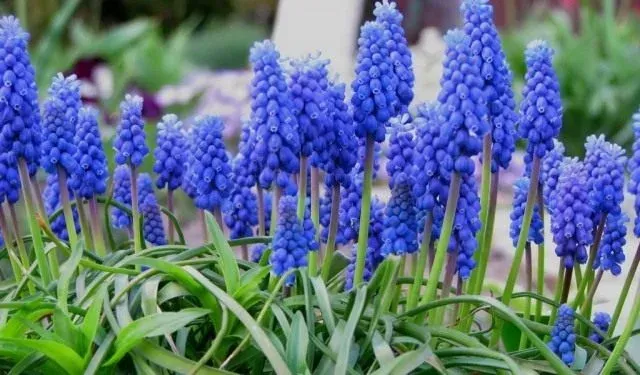
Description
Growing requirements
Muscarimia muscari is a bulbous perennial belonging to the Asparagaceae family. This plant is well-known for its distinct musky fragrance and unique, dense flower clusters that emerge in early spring.
Originating from the eastern Mediterranean and Middle Eastern regions, this plant is naturally adapted to rocky, well-drained soils and environments with distinct seasonal cycles of moisture and drought.
The culture thrives in fertile, well-aerated substrates with a neutral pH. Proper soil structure is essential, as waterlogging during the dormant summer period is a primary cause of bulb rot.
Regarding climate, the plant prefers open, sunny locations. While it is relatively hardy, it requires protection from severe water accumulation in autumn to ensure the bulbs remain healthy for the next season.
Agricultural management involves careful soil preparation, ensuring adequate drainage, and controlled irrigation during the active growth phase. Applying balanced fertilizers after flowering promotes bulb development.
Main diseases and pests
The crop is susceptible to various fungal pathogens, with grey mold (Botrytis) being a common issue in humid, poorly ventilated planting sites, leading to necrosis on foliage and flowers.
Virus infections, such as the onion yellow dwarf virus, often manifest as yellow striping or leaf distortion. These are primarily spread by aphids, requiring strict vector management.
Bulb mites represent a significant subterranean threat, damaging the basal plate and severely reducing the vigor of the plant during the subsequent growing season.
Thrips can also infest the developing foliage, causing silvering or browning. Frequent monitoring of plant health during the rapid spring growth period is critical for early detection.
Integrated pest management strategies are recommended, including the use of certified healthy planting stock, crop rotation, and the timely application of systemic pesticides when pest thresholds are reached.