
Muscarimia macrocarpa
Muscarimia macrocarpa
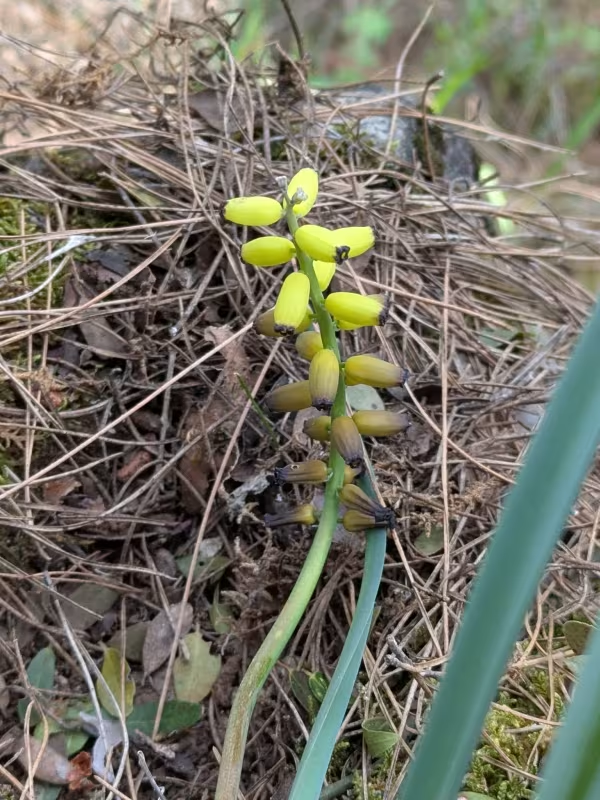
Description
Sowing dates
Muscarimia macrocarpa is a unique bulbous perennial belonging to the Asparagaceae family. The planting process is typically carried out in the autumn, allowing the bulbs to establish root systems before the ground freezes.
The ideal planting time is usually September or October, depending on the local climate. Bulbs should be placed at a depth of approximately 8–10 cm in well-drained, fertile garden soil to ensure vigorous growth in the spring.
Spacing is essential for the health of the plants; keeping them 10–15 cm apart prevents overcrowding and ensures adequate air circulation. This spacing also makes future bulb division much easier for the gardener.
Propagation by seed is a slow process and is generally reserved for breeding purposes. Seeds should be sown in prepared containers or seedbeds shortly after maturation to ensure freshness and viability.
Vegetative propagation via offsets is the standard and most reliable method for home gardeners and commercial nurseries. Separating the bulb clusters every few years helps maintain the vigor of the plant population.
Growing requirements
This species thrives in sunny locations with excellent drainage. It is highly sensitive to waterlogged conditions, which can lead to rapid bulb rot, especially during the plant's summer dormancy period.
The soil should be light, rich in organic matter, and have a neutral to slightly alkaline pH. Adding grit or coarse sand to the planting hole can significantly improve drainage in heavier clay-based soils.
Regular but moderate watering is necessary during the active growing season in early spring. However, it is vital to keep the soil dry during the late spring and summer months as the foliage dies back.
In cold climates, winter protection is recommended. Applying a layer of mulch, such as straw or dry peat, helps insulate the soil and protect the bulbs from extreme temperature fluctuations and frost heaving.
Nutrient management is straightforward: a light application of balanced, slow-release fertilizer in early spring supports healthy foliage and flower production. Avoid excessive nitrogen, which can lead to weak growth.
Main diseases and pests
Grey mold (Botrytis) is a significant threat, particularly in regions with high spring rainfall or poor soil drainage. Infected plants show signs of decay, and prompt removal of affected material is crucial to prevent spread.
Viral infections can cause stunted growth, leaf discoloration, and distorted blooms. Because there is no chemical cure for these viruses, affected plants must be removed and destroyed to protect the rest of the garden.
Root mites and nematodes are common subterranean pests that damage the bulb tissue. Pre-planting treatment of bulbs with appropriate acaricides or systemic insecticides can significantly reduce these risks.
Aphids and thrips may infest the foliage during the growing season. While usually not fatal, they weaken the plants and can act as vectors for viral diseases, making regular monitoring and treatment necessary.
Overall, disease prevention relies on strict adherence to cultural practices. Providing a sunny, well-drained environment and using healthy, pest-free planting stock are the best ways to ensure a successful display.