
Yunnan banana
Musa yunnanensis
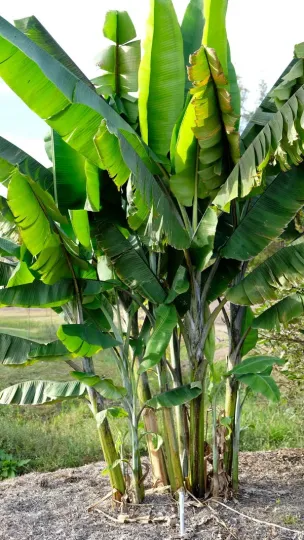
Description
Growing requirements
The Yunnan banana belongs to the Musaceae family and is recognized as one of the most cold-tolerant species within the Musa genus. Originating from the mountainous regions of Yunnan Province in China, it has adapted to cooler climates compared to typical tropical bananas.
This plant thrives in sunny locations that are protected from strong winds, as wind can easily shred its large, delicate leaves. It prefers fertile, well-draining soil with a pH ranging from neutral to slightly acidic to support vigorous growth.
During the growing season, consistent moisture is vital. Because of its large leaf surface area, the plant loses water rapidly, so regular irrigation is necessary. However, waterlogging must be avoided to prevent root rot.
In regions with mild winters, the plant may survive if the rootstock is heavily mulched. In colder areas, the above-ground part of the plant typically dies back after the first frost, but the rhizome will sprout again in spring.
The species is primarily utilized for ornamental landscaping. Its striking foliage creates a lush, tropical aesthetic, making it a popular choice for gardeners who want to bring a touch of the tropics to temperate climates.
Main diseases and pests
Fungal diseases, particularly leaf spot, are the most frequent issues for this plant, often triggered by high humidity levels and poor airflow around the foliage. Maintaining adequate spacing is essential.
Root rot remains a significant threat, usually caused by overwatering or soil that lacks proper drainage. It is critical to ensure that the soil remains moist but never saturated.
Spider mites are common pests that thrive in the dry conditions often found indoors or in greenhouse environments. These pests can significantly reduce the vitality of the plant if not managed early.
Mealybugs can also infest the plant, hiding in the leaf axils and feeding on the sap. Regular monitoring and physical removal can help manage early-stage infestations effectively.
Effective plant health management involves the prompt removal of dead or decaying foliage and ensuring a clean growing environment to prevent the accumulation of pathogens and pests.