
Musa schizocarpa
Musa schizocarpa
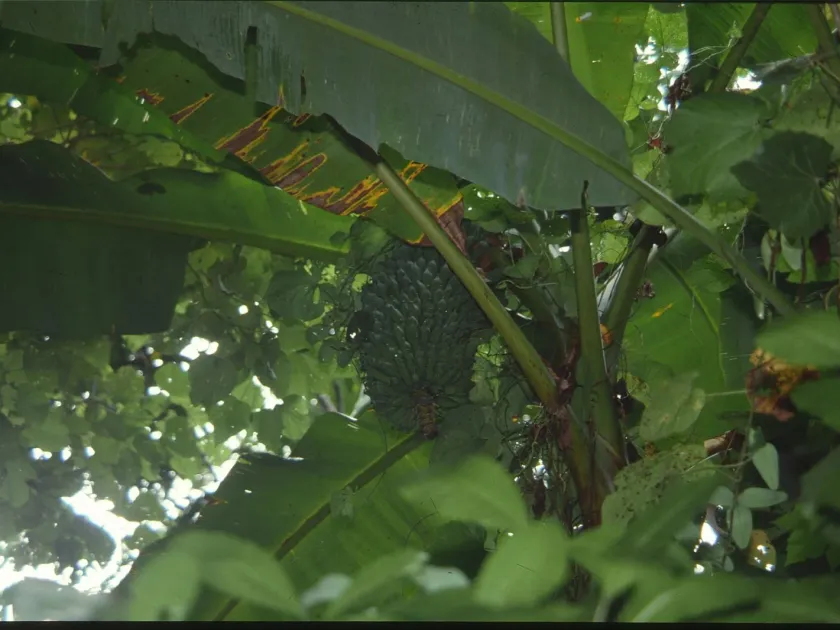
Description
Growing requirements
Musa schizocarpa is a wild banana species belonging to the Musaceae family, native to the tropical rainforests of Papua New Guinea. This plant thrives in mountainous regions, often found in humid, sheltered environments.
The climate requirements for this species are strict, demanding consistently warm temperatures and high atmospheric humidity throughout the year. It does not tolerate cold snaps or dry wind conditions, which can cause severe physiological stress.
Soils for Musa schizocarpa cultivation must be well-drained, nutrient-rich, and high in organic matter content. Regular, consistent watering is essential to mimic its natural environment and support the rapid growth of its large foliage.
Botanically, the plant is known for its distinct fruit characteristics, as the name implies, the fruit pericarp tends to split open upon maturity. It is a robust plant that contributes significantly to the genetic diversity of the genus Musa.
In terms of agriculture and research, it is primarily used as a genetic reservoir. Breeders utilize this species to integrate resistance traits into commercial banana varieties, aiming to secure food supplies against emerging threats.
Main diseases and pests
This species faces major threats from fungal pathogens, most notably Panama disease (Fusarium wilt), which disrupts the plant's vascular system and leads to complete decline.
Leaf spot diseases, including Black Sigatoka, are prevalent in areas with high humidity and poor air circulation, significantly affecting the plant's ability to produce energy through photosynthesis.
Banana weevils pose a significant risk, as their larvae bore into the pseudostem, leading to structural instability and creating entry points for secondary bacterial infections.
Parasitic nematodes are another concern, as they damage the root system and reduce the plant's nutrient uptake efficiency, leading to stunted growth and poor health.
Effective management strategies involve proactive sanitation, the use of certified disease-free propagation material, and regular field scouting to identify early signs of infestation or infection.