
Musa haekkinenii
Musa haekkinenii
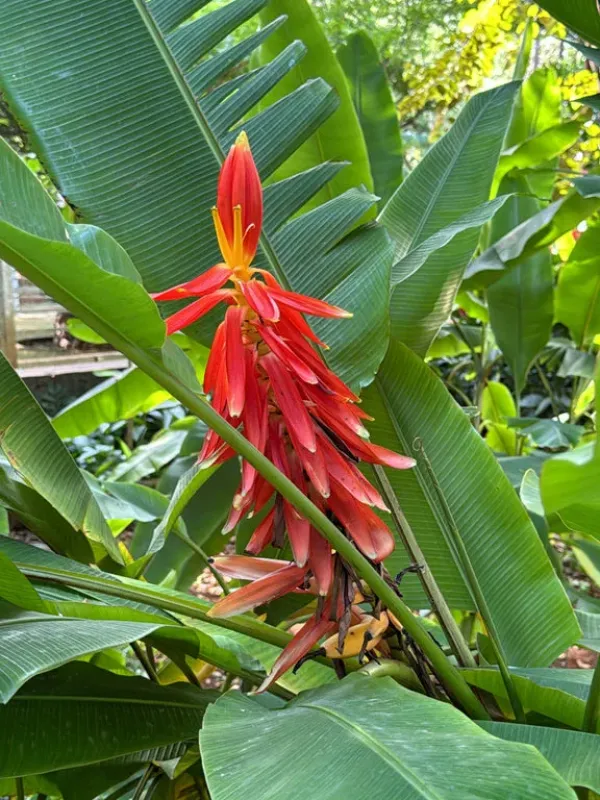
Description
Growing requirements
Musa haekkinenii is a unique perennial plant belonging to the Musaceae family, recognized for its distinct morphological traits within the genus Musa.
Originating from specific tropical ecosystems, this plant thrives in regions characterized by high atmospheric humidity and consistently warm temperatures throughout the year.
To ensure optimal development, cultivation requires well-drained, nutrient-rich soil that mimics the organic-heavy substrates found in its native forest floor habitat.
Climatic requirements are strict: the crop demands full or partial light exposure while being shielded from drying winds that can cause necrosis of the foliage.
Agronomic management relies heavily on consistent irrigation and maintaining a stable humidity level, as the plant is poorly adapted to prolonged dry spells or sudden cold shocks.
Main diseases and pests
Common threats to the crop include fungal leaf spot diseases which spread rapidly in stagnant air and high-humidity environments without proper circulation.
Pest populations such as spider mites and mealybugs often colonize the underside of leaves, posing a significant risk to the plant's photosynthetic capacity.
Proactive management includes the use of systemic fungicides and horticultural oils, applied in strict accordance with the plant's growth stage.
Monitoring the soil health is crucial to prevent root rot, often caused by pathogenic fungi thriving in compacted or waterlogged soil conditions.
Sustainable pest control methods involve integrating beneficial predatory insects to manage populations of sap-sucking pests within controlled environments.