
Mukdenia rossii
Mukdenia rossii (Oliv.) Koidz.
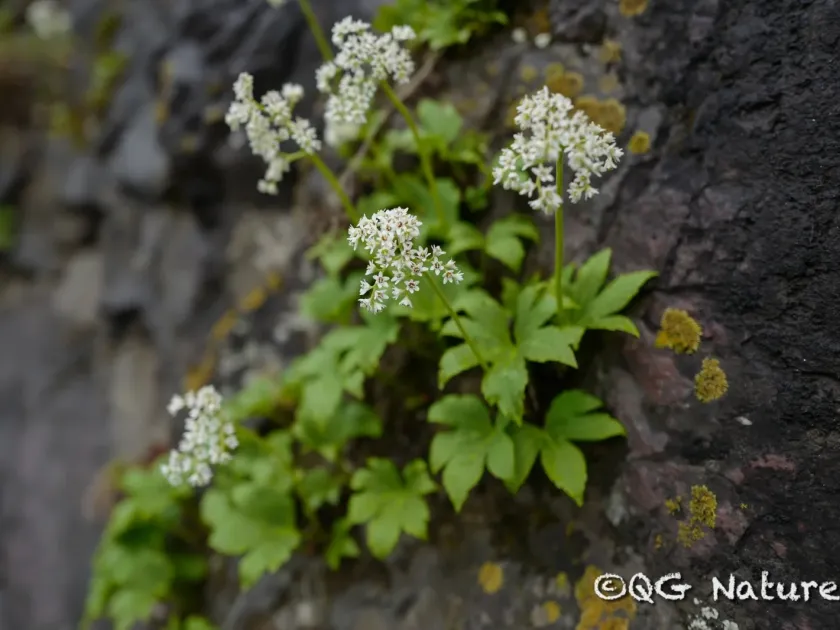
Description
Growing requirements
Mukdenia rossii is a perennial herbaceous plant belonging to the Saxifragaceae family. Native to East Asia, including regions of China and Korea, this plant naturally thrives in rocky habitats and woodland areas where it receives dappled sunlight.
The primary requirement for this culture is a shaded or semi-shaded location. Direct, intense sunlight should be avoided, as it can cause significant scorching of the foliage, especially in warmer climate zones where midday heat is more persistent.
Soil conditions are critical for the health of Mukdenia rossii. The plant requires rich, loamy, and well-draining soil that retains a consistent level of moisture. Adding organic compost to the planting site helps maintain the necessary nutrient levels for lush leaf development.
This plant is notably winter-hardy and adapts well to temperate climates. While it can withstand cold winters, protecting the rhizomes with a layer of mulch is a recommended practice in areas with harsh, freezing temperatures to ensure successful overwintering.
Cultural maintenance involves regular watering during dry spells, as the plant does not tolerate prolonged drought. Applying balanced fertilizers in early spring promotes vigorous growth and enhances the distinct color changes of the leaves during the autumn season.
Main diseases and pests
Mukdenia rossii is generally resistant to most common garden diseases. However, improper site selection, such as planting in stagnant, waterlogged areas, can increase susceptibility to fungal pathogens that attack the root system.
Slugs and snails are the most frequent pests associated with this plant. They are particularly active in damp, shady conditions and can severely damage the broad leaves. Using manual removal or organic traps is highly effective for population management.
Leaf spot diseases can occasionally occur if the foliage remains wet for extended periods without adequate air circulation. Ensuring sufficient spacing between plants can help prevent the spread of moisture-loving fungal spores.
Root rot is the most serious threat, usually caused by poor drainage. If the leaves begin to wilt despite adequate watering, it is often a sign that the root system is suffering from an overly wet environment.
To keep the plant healthy, it is essential to remove decaying organic debris around the base of the plant during the dormant season, which helps eliminate potential breeding grounds for pests and pathogens.