
Muhlenbergia ramosa
Muhlenbergia ramosa
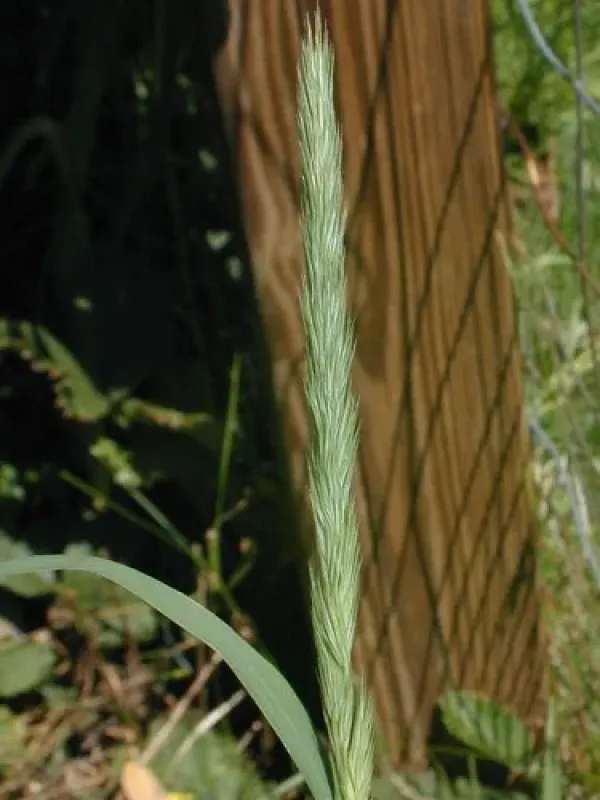
Description
Sowing dates
Muhlenbergia ramosa is a member of the Poaceae family, known for its resilience and adaptability in various growing conditions throughout its native range.
Seeds should be sown in early spring when temperatures are consistently warm, ensuring the soil remains moist but not waterlogged to support germination.
The seeding depth must be shallow, as the small seeds require exposure to light to trigger biological growth mechanisms effectively during the germination phase.
When propagating via root division, it is essential to perform this task early in the spring, just as the plant begins its active growth cycle for the year.
Proper spacing is a critical agronomic factor, requiring at least 50 cm between plants to ensure adequate air circulation and prevent competition for nutrients and soil moisture.
Growing requirements
This grass species thrives in well-drained, porous soils and is generally tolerant of low-nutrient environments, making it a low-input crop for many landscape applications.
Full sun exposure is highly recommended to encourage the densest foliage and the most vibrant display of its signature inflorescences during the late summer and autumn.
Muhlenbergia ramosa exhibits remarkable drought tolerance once established, due to its deep and efficient root system that reaches sub-surface moisture layers.
Soil pH levels should ideally range between neutral and slightly acidic, ensuring optimal nutrient uptake and preventing the development of chlorosis or other physiological disorders.
In regions with harsh winters, a light layer of mulch is beneficial to stabilize soil temperature and prevent frost heaving of the plant's delicate root crown.
Main diseases and pests
While generally robust, the plant can be susceptible to fungal diseases such as leaf spot if air circulation is poor or if excessive humidity persists for extended periods.
Occasional infestations of spider mites or aphids may occur during hot, dry spells; these pests are managed through standard horticultural monitoring and, if necessary, targeted treatments.
Root rot is the most common threat, usually caused by poor soil drainage and irrigation practices that allow water to accumulate around the base of the plant.
Weed management in the early stages of establishment is crucial, as the grass competes poorly with aggressive invasive weed species during its first growing season.
Proper sanitation by removing infected plant debris in the early spring significantly reduces the risk of recurrent disease outbreaks during the subsequent growing season.
Harvesting
The primary use of this grass is ornamental, and harvesting refers to the seasonal management of the plant's foliage and the collection of viable seeds for propagation.
Deadheading spent flowers is optional but recommended to maintain the plant's visual appeal and prevent unwanted self-seeding throughout the landscape.
Seed harvesting should take place when the inflorescences are fully mature and dry, typically indicated by a change in texture and color of the panicles.
Post-harvest handling involves drying the seeds in a cool, ventilated area to ensure they reach the appropriate moisture content for long-term storage or immediate sowing.
Spring cleanup requires cutting the foliage back to just a few centimeters above the ground to promote a fresh, vigorous flush of new growth for the upcoming season.