
Muhlenbergia mexicana
Muhlenbergia mexicana
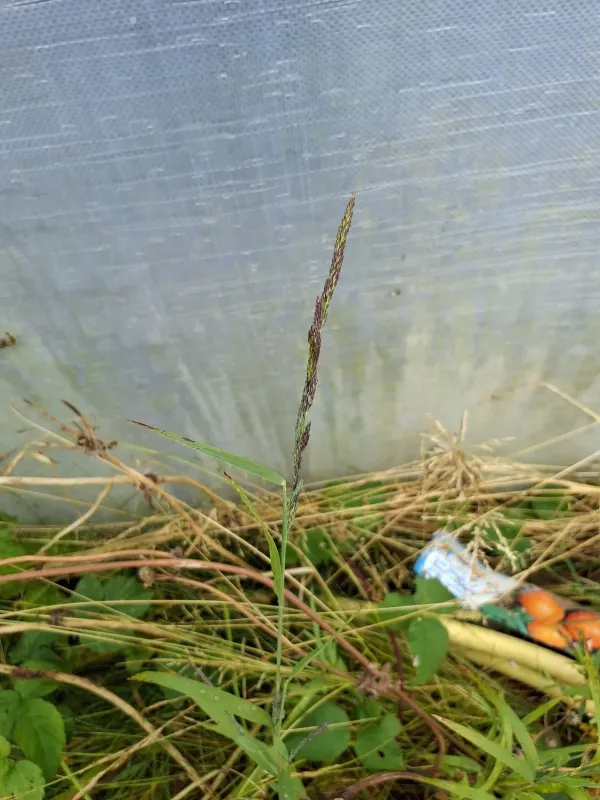
Description
Sowing dates
Muhlenbergia mexicana reproduces through both seeds and underground rhizomes, making it a resilient perennial species in its native habitat.
For cultivation, seeds should be sown in prepared soil at a shallow depth to ensure they receive enough light, which is crucial for uniform germination.
Spring sowing is recommended once the danger of frost has passed and the soil temperatures become consistently warm for development.
Seed pretreatment, including cold stratification, can significantly increase the germination percentage of the stored seed material.
Maintaining an appropriate sowing density is key, as individual plants tend to spread horizontally via rhizomes throughout the growing season.
Growing requirements
This species belongs to the Poaceae family and is widely recognized for its adaptability to moist environments, such as wetlands and riverbanks.
The plant thrives in fertile, loamy soils that can retain moisture, though it also demonstrates moderate tolerance to different soil textures.
Sunlight requirements are relatively high, as the plant prefers full sun to partial shade to maintain optimal photosynthesis and vigorous growth.
Water management is critical; while the plant is robust, it performs best when supplied with consistent moisture throughout the summer months.
Temperature tolerance is a notable feature, with the species being well-adapted to the temperate climate ranges found across North America.
Yield
The biomass yield of Muhlenbergia mexicana is heavily influenced by soil fertility and the availability of water during the peak vegetative phase.
In managed conditions, regular harvesting promotes the growth of new shoots from the rhizomes, enhancing the total seasonal yield.
Nitrogen-based fertilization is effective in boosting vegetative biomass, which is essential if the crop is intended for forage use.
Harvesting at the early flowering stage ensures the best balance between quantity and the nutritional quality of the plant material.
Sustainable management practices, including appropriate rest periods for the plants, ensure long-term productivity and stand longevity.
Main diseases and pests
The crop is susceptible to common grass pathogens, including rust fungi and powdery mildew, especially in humid or poorly ventilated stands.
Insects like aphids or mites can cause damage by feeding on plant juices, necessitating regular inspection of the foliage during growth.
Competition from invasive weeds can severely inhibit the establishment of new plants, requiring careful site preparation and weeding.
Root rot caused by prolonged waterlogging is a significant threat that can lead to the decline of the plant population if drainage is poor.
Integrated pest management strategies are recommended to mitigate these risks without relying solely on chemical interventions.