
Muhlenbergia macroura
Muhlenbergia macroura
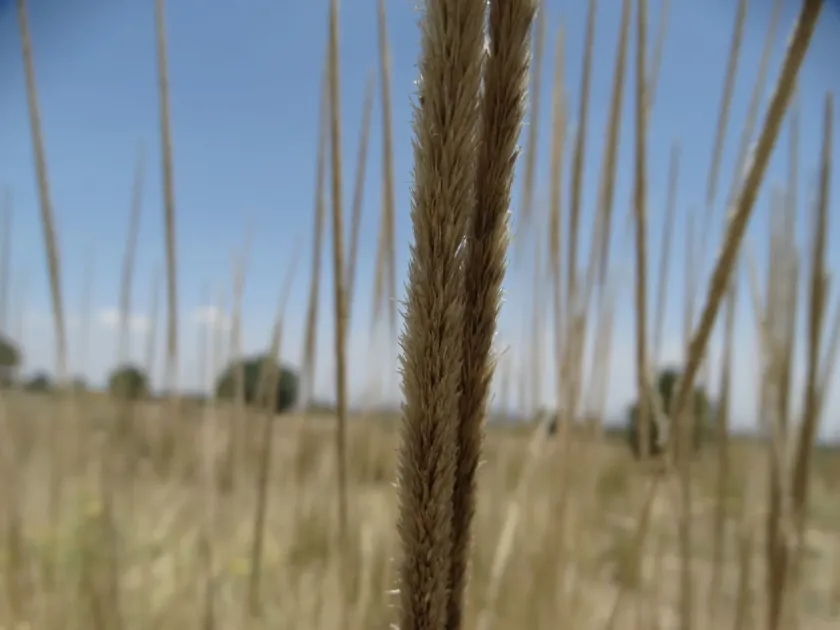
Description
Growing requirements
Muhlenbergia macroura is a perennial bunchgrass belonging to the Poaceae family. Known in its native regions of Mexico and Central America as a robust grass, it is primarily valued for its dense, deep root system that plays a crucial role in soil conservation.
The plant thrives in high-altitude environments, preferring well-drained, sandy, or rocky soils. It is remarkably drought-tolerant, capable of surviving long periods without rainfall once established, which makes it an ideal candidate for arid-land reclamation.
Climate requirements include full sunlight exposure and moderate temperature ranges. While it can handle cool mountain air, it needs protection from excessive frost in regions outside its native range. It is sensitive to soil saturation and requires excellent air circulation around the crown.
Botanically, it forms tough, fibrous stems and leaves. These anatomical features are not only a defense mechanism against herbivores but also the source of high-quality vegetable fibers used for making brushes and traditional handicrafts.
Agricultural management should focus on maintaining adequate spacing between plants to allow for proper airflow. Fertilization is generally minimal, as the species is adapted to thrive in nutrient-poor environments, making it a low-input sustainable crop.
Main diseases and pests
The primary threat to Muhlenbergia macroura cultivation is root rot, which occurs when the soil remains waterlogged for extended periods. Effective field drainage is the most critical factor in preventing fungal infections of the rhizomes.
Pests such as aphids may occasionally affect the succulent growth, but the naturally high silica content in the leaves generally acts as a deterrent. Monitoring for localized infestations during the early spring is recommended to ensure optimal plant health.
Fungal leaf spot diseases may appear in humid, low-ventilation conditions. Maintaining proper spacing and removing dead foliage are essential preventative practices to reduce the risk of pathogen outbreaks within the stand.
Weed competition during the establishment phase can significantly hinder the growth of young plants. Once the clumps are mature, they are competitive enough to suppress most surrounding vegetation through their dense root mass.
Integrated pest management should prioritize biological controls and mechanical weeding over chemical treatments. A proactive approach to soil health and field sanitation ensures the longevity of the perennial planting.