
Lindheimer's muhly
Muhlenbergia lindheimeri
Description
Growing requirements
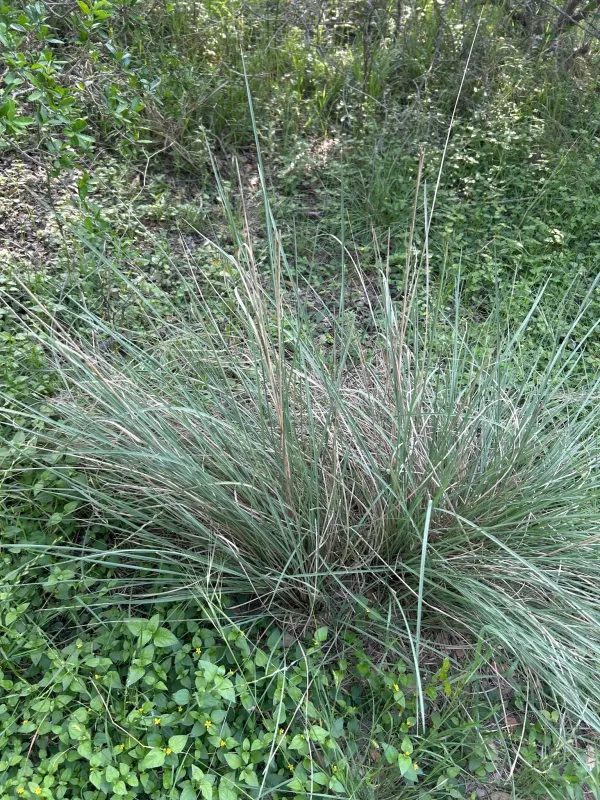
Lindheimer's muhly (Muhlenbergia lindheimeri) is a perennial bunchgrass belonging to the Poaceae family. It is native to the Edwards Plateau region of Texas and parts of Mexico, where it grows in limestone-based soils.
This species forms large, dense, vertical clumps that can reach up to 5 feet in height. Its fine-textured, grayish-green foliage provides year-round visual interest and serves as an excellent architectural element in landscape design.
The plant is highly drought-tolerant once established and thrives in full sun exposures. It performs best in well-draining soils with a neutral or alkaline pH, reflecting its natural rocky habitat.
Agricultural practices for this crop focus on creating conditions that prevent moisture retention. It does not require fertilizers and can struggle if exposed to rich, organic soils that stay consistently wet during the winter.
Maintenance is straightforward, involving a single annual prune in late winter or early spring. Cutting the foliage back to a few inches above the ground encourages vigorous new growth for the coming season.
Main diseases and pests
The primary threat to Lindheimer's muhly is root rot, which typically occurs due to poor soil drainage or excessive irrigation. Keeping the soil dry during the dormant season is critical for plant longevity.
While the grass is generally resistant to most pests, spider mites can occasionally infest the foliage during prolonged hot and dry spells. Regular inspections are recommended to catch infestations early.
Fungal diseases like leaf spot or powdery mildew may develop if there is insufficient air circulation around the clumps. Planting with adequate spacing helps mitigate these environmental risks.
Weed competition should be controlled during the first year of establishment. Once the clump reaches maturity, it typically suppresses weeds effectively due to its dense root system and foliage.
If chemical intervention is necessary for pests or diseases, always select products labeled for ornamental grasses and apply according to local agricultural guidelines to avoid phytotoxicity.