
Muhlenbergia capillaris
Muhlenbergia capillaris
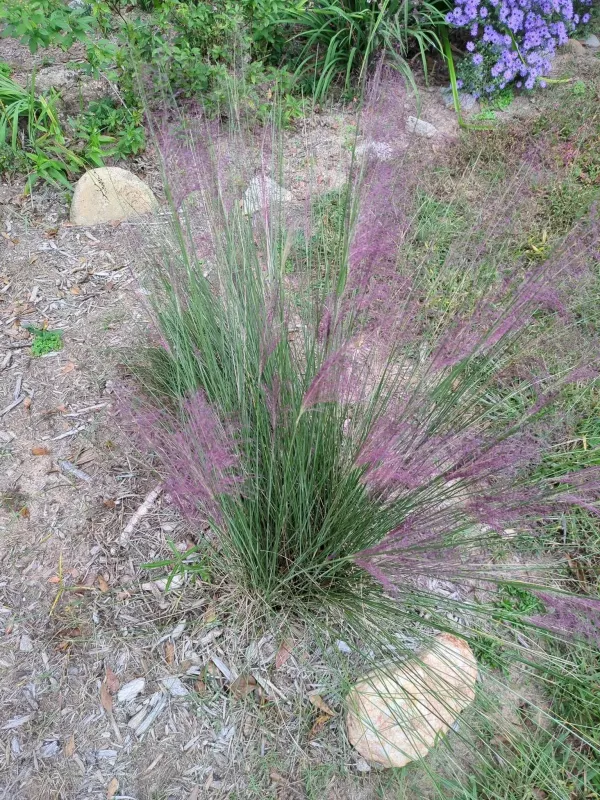
Description
Sowing dates
Muhlenbergia capillaris, commonly known as pink muhly grass, is a perennial ornamental grass belonging to the Poaceae family. Propagation is primarily achieved through seeds or division of established clumps in early spring when the plant initiates its growth cycle.
Seeds should be sown in a well-drained, sterile potting mix. They require light for optimal germination, so they should be surface-sown or covered only very lightly with soil. Maintaining consistent moisture is essential until seedlings emerge.
Transplanting to the final location should occur once the soil has warmed up and the risk of frost has passed. Planting in groups creates the best visual impact, especially when the grass reaches its flowering stage in late summer and autumn.
When using the division method, ensure that each segment has a healthy portion of roots and foliage. This technique is often preferred by gardeners to obtain larger specimens that establish more quickly than those grown from seeds.
Adequate spacing is crucial for healthy development. Planting individuals approximately 60–90 cm apart ensures proper air circulation, which is vital for preventing disease and promoting the growth of the characteristic airy flower plumes.
Growing requirements
This grass thrives in full sun conditions, which are essential for producing its iconic, cloud-like pink inflorescences. While it can tolerate partial shade, the plant will appear sparse and may fail to bloom significantly.
It is highly adaptable to various soil types, provided they are exceptionally well-drained. Muhlenbergia capillaris performs exceptionally well in poor, sandy, or rocky soils, reflecting its native habitat in the southern United States.
Water requirements are relatively low once the plant is established. It is highly drought-tolerant, but supplemental watering during prolonged dry spells in the peak summer heat will maintain the plant's aesthetic appeal.
Winter hardiness is typically rated for zones 6 through 10. In areas at the northern edge of its range, providing a layer of mulch around the base of the plant can offer protection against deep soil freezing and moisture accumulation.
Fertilization should be kept to a minimum. Heavy use of nitrogen-rich fertilizers often results in excessive leaf growth, which may cause the clump to sprawl or lose its upright, elegant form during the flowering period.
Main diseases and pests
The most significant threat to the health of Muhlenbergia capillaris is crown rot, triggered by waterlogged soil. This is particularly problematic during winter months when the plant is in its dormant state and cannot process excess moisture.
While the plant is generally resistant to pests, occasional infestations of aphids or spider mites can occur in stressed or overly dry conditions. Monitoring foliage regularly is recommended to manage these issues early.
Fungal diseases such as rust or leaf spots may develop if the plant is grown in areas with poor airflow or high humidity. Maintaining clear spacing between plants helps mitigate the risk of these pathogens spreading.
Weed management is vital in the establishment phase. Competition from invasive weeds can stunt the growth of young muhly grass and create micro-environments that trap moisture, favoring fungal growth.
Proper sanitation, including the removal of dead leaves in early spring, helps reduce potential breeding grounds for pests and pathogens. This annual cleanup is the most effective way to keep the clump healthy and vigorous.