
Morisia monanthos
Morisia monanthos
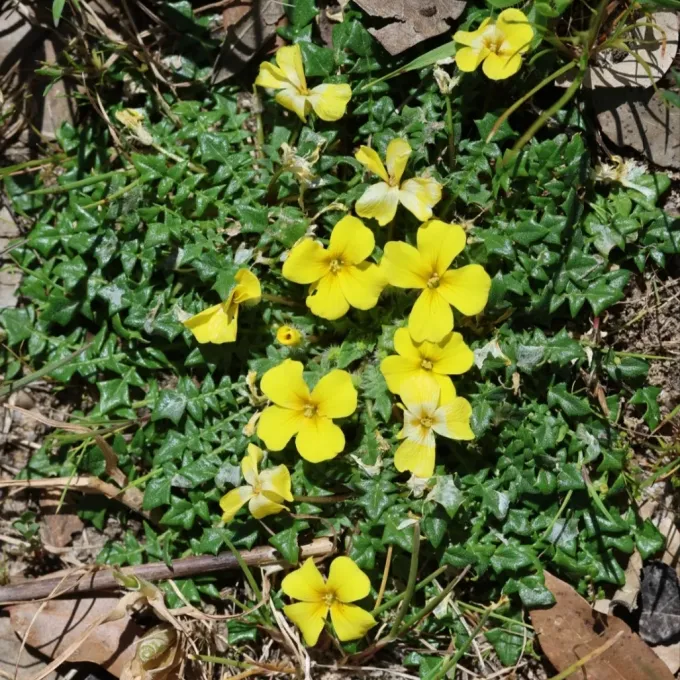
Description
Sowing dates
Sowing Morisia monanthos should be performed in late winter or early spring using a well-draining seed-starting mix. The seeds require a period of cold stratification to break dormancy and ensure uniform germination rates.
Maintain the sowing containers in a cool, bright location with temperatures consistently between 10 to 15 degrees Celsius. Avoid placing the seeds in direct, intense sunlight during the initial germination phase.
Thinning and transplanting are critical stages in the lifecycle of this species. Since the plant develops a taproot, it is highly sensitive to root disturbance, so using individual pots is strongly advised.
Hardening off the seedlings is essential before moving them to the permanent location. Gradually acclimatize the plants over a period of 10 to 14 days to prepare them for fluctuating outdoor temperatures.
Planting in the garden should occur once the risk of heavy frost has passed. Ensure that the soil is sufficiently loose and dry to provide the ideal environment for establishing the root system.
Growing requirements
Morisia monanthos is a charming member of the Brassicaceae family, originating from the sandy and stony regions of Corsica and Sardinia. Its compact, rosette-forming habit makes it an ideal choice for rock gardens.
The primary cultivation requirement is exceptional drainage. This species thrives in gritty, rocky soil that mimics its natural habitat, preventing any water accumulation around the crown of the plant.
Exposure to full sun is necessary for the plant to thrive and produce its vibrant yellow flowers. In regions with excessively hot summers, partial afternoon shade can prevent the plant from heat stress.
Morisia prefers a neutral to slightly alkaline pH. Avoid heavy nitrogen fertilization, as this encourages lush foliage growth at the expense of its characteristic flowering density.
While the plant shows good drought tolerance once established, consistent moisture is beneficial during the flowering season. Always water at the base of the plant to keep the leaves dry and healthy.
Main diseases and pests
The most common threat to the longevity of Morisia monanthos is fungal root rot caused by stagnant water. Ensuring a high-quality gravel mulch layer can help keep the foliage and crown dry.
Crucifer pests, such as flea beetles, may attack the plant, particularly in the spring. These insects can cause cosmetic damage to the leaves, which might require the use of organic insecticidal soaps.
Gastropods, including slugs and snails, are frequent visitors to rock gardens and can easily devour young Morisia growth. Using copper barriers or physical traps is a recommended preventative measure.
Poor ventilation during humid weather can lead to outbreaks of powdery mildew. To mitigate this risk, avoid overcrowding the plants and ensure they are placed in open, breezy areas of the garden.
In winter, excess moisture is more lethal than cold temperatures. Providing a cover or a stone mulch that keeps the crown of the plant elevated from the damp soil is essential for survival.