
Monotropastrum humile
Monotropastrum humile
Description
Growing requirements
Monotropastrum humile is a fascinating mycoheterotrophic plant belonging to the Ericaceae family. Unlike typical flora, it lacks chlorophyll, meaning it does not photosynthesize. Instead, it derives all of its nutrients from a symbiotic relationship with mycorrhizal fungi found within forest soils.
The plant has highly specific environmental requirements. It thrives exclusively in deep, shaded forest environments with thick leaf litter, which provides the necessary humidity and the specific fungal community essential for its survival. Disrupting the soil substrate usually proves fatal to the plant.
Geographically, it is native to Eastern Asia, distributed across regions including Japan, China, the Korean Peninsula, and the Russian Far East. It is predominantly found in coniferous or mixed forest ecosystems where the microclimate remains cool and consistently moist throughout the growing season.
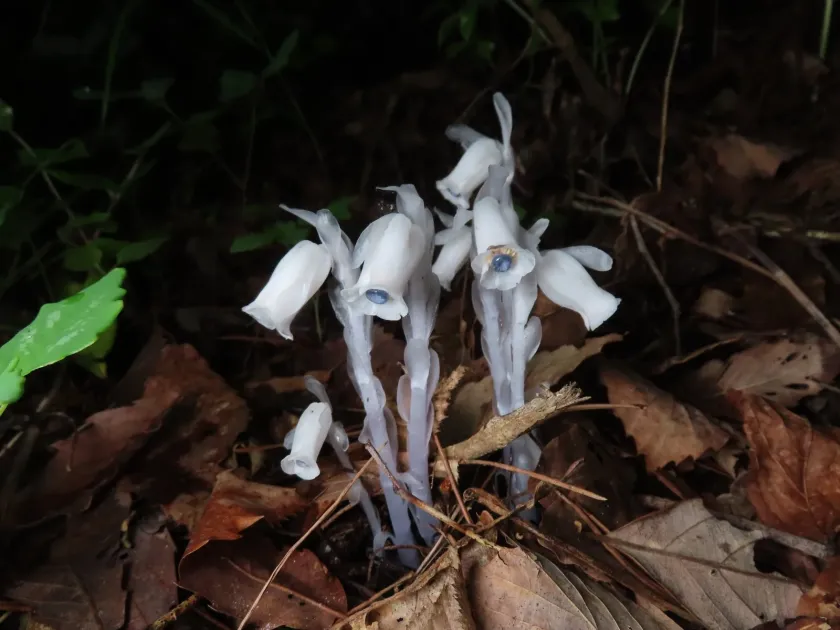
Botanically, it appears as a small, succulent-like stem, typically pale or whitish, adorned with a single drooping bell-shaped flower. After flowering, it produces a fleshy fruit capsule containing tiny, dust-like seeds that rely on specific environmental conditions and fungal partners to germinate and develop.
From an agricultural standpoint, Monotropastrum humile is not cultivated as a crop. Because of its obligate reliance on complex, site-specific fungal networks, it is impossible to grow this plant in conventional greenhouses or field conditions. Therefore, it remains an object of interest primarily for botanical research and forest conservation efforts.