
Monosolenium tenerum
Monosolenium tenerum
Description
Growing requirements
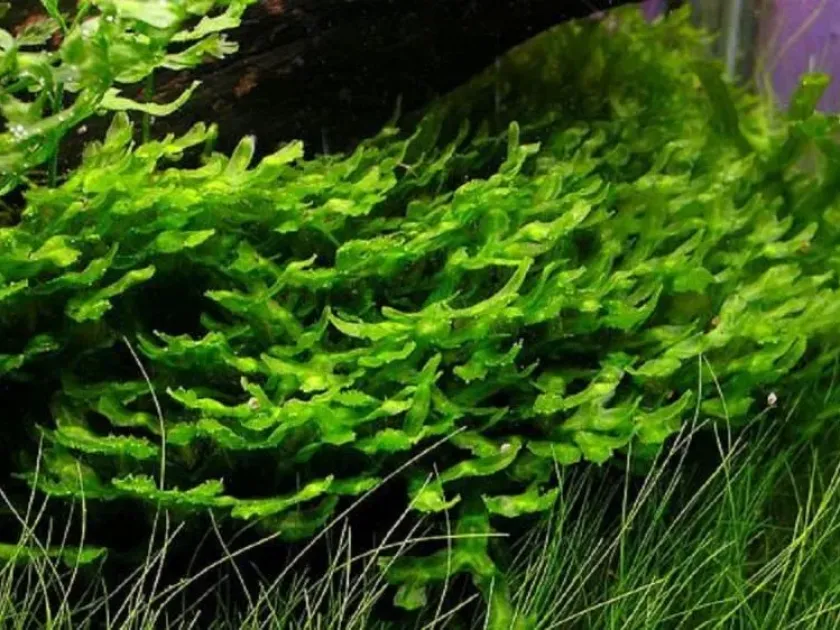
Monosolenium tenerum is a distinct species of liverwort belonging to the family Monosoleniaceae. Unlike vascular plants, it lacks roots and specialized leaves, consisting instead of a flattened, dichotomously branched thallus. This structural simplicity gives it a unique appearance, often sought after by aquarists for creating lush, deep-green carpets on the bottom of freshwater systems.
Originating from subtropical and tropical Asia, specifically regions like China and Japan, this plant has adapted to riparian habitats. In the wild, it typically thrives in shaded, permanently moist environments, which is why it maintains high vitality when submerged in aquarium conditions that mimic these stable, low-flow habitats.
Regarding cultivation requirements, the species prefers cool to moderate temperatures ranging from 15 to 28 degrees Celsius. Water hardness is not a critical factor, as the plant is quite hardy; however, it thrives best in environments with low to moderate lighting. Excessive light intensity may lead to the proliferation of nuisance algae that outcompete the slow-growing liverwort.
A successful cultivation strategy involves placing the plant on stable surfaces like driftwood or porous rocks. It does not need to be planted in a substrate, as it lacks true roots for nutrient uptake from the soil. Instead, it absorbs nutrients directly from the water column, making regular dosing of trace elements beneficial for maintaining robust, healthy growth.
The primary horticultural application of Monosolenium tenerum is in aquascaping. It is frequently used to provide texture in the foreground or mid-ground areas of an aquascape. Because it grows as a mat, it creates an excellent hiding space for fry and small invertebrates, serving both a functional and a high-aesthetic purpose in tank design.
Main diseases and pests
The main threats to Monosolenium tenerum include infestation by filamentous algae, which can easily entangle and smother the delicate thallus. Additionally, extreme water temperatures and high organic waste levels can cause the plant structure to become necrotic, leading to the rapid fragmentation and subsequent dissolution of the entire colony.